Stinkin Lincoln - John Lyman - S7. Ep57
Listen Here!
Stinkin Lincoln
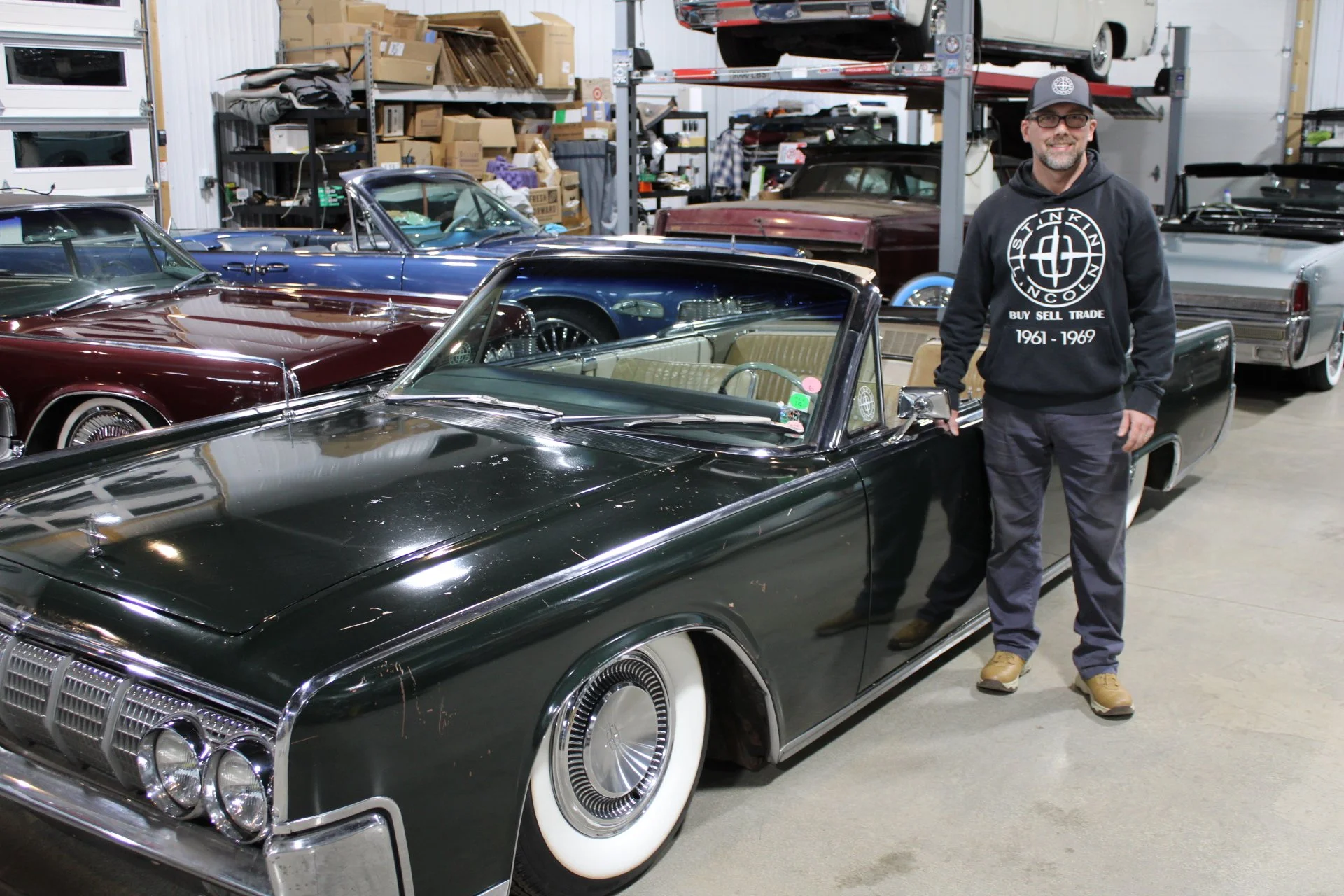
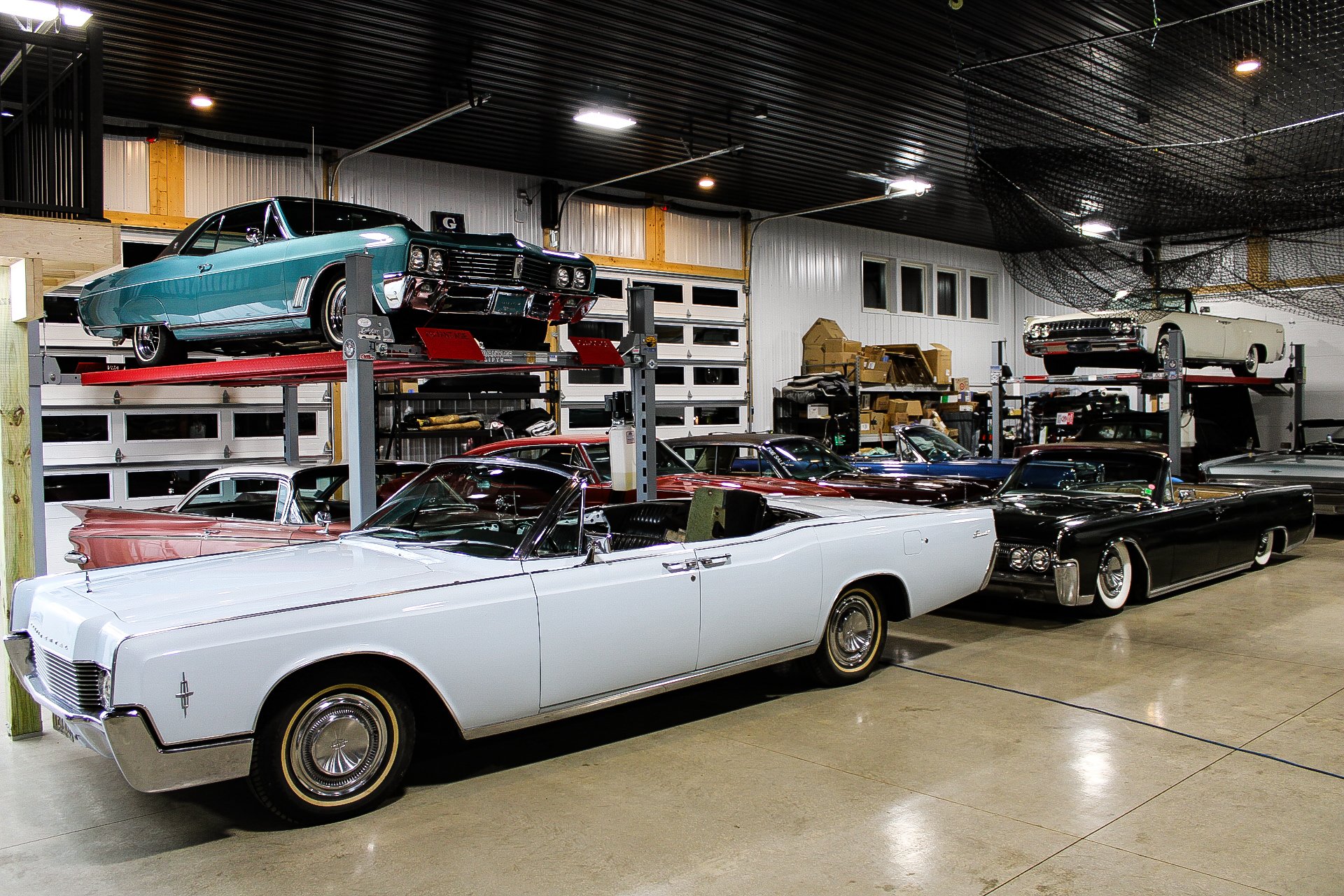
In a quiet corner of Zelienople, Pennsylvania, just on the edge of Cranberry Township, a unique automotive haven has taken shape—one built not from a business plan, but from passion, persistence, and decades of hands-on experience. Inside a shop known as “Stinkin Lincoln,” owner John Lyman has turned a lifelong love of classic cars into a highly specialized operation serving enthusiasts across the country. The rise of classic Lincoln Continental popularity didn’t happen overnight—but for enthusiasts like John, there was a clear turning point. Cultural moments, including the iconic Lincoln featured in the HBO series Entourage, helped bring these once-overlooked cars back into the spotlight.
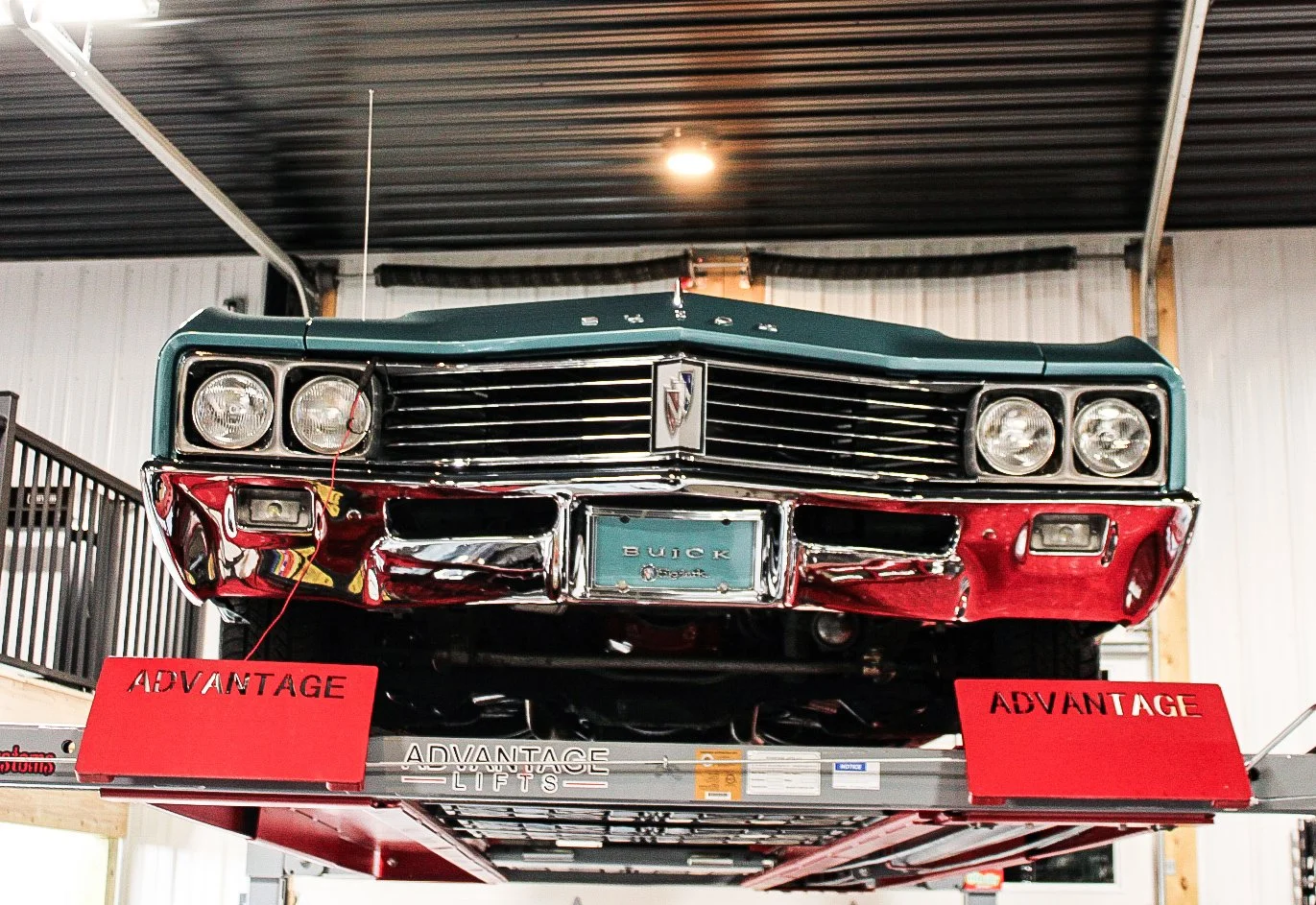
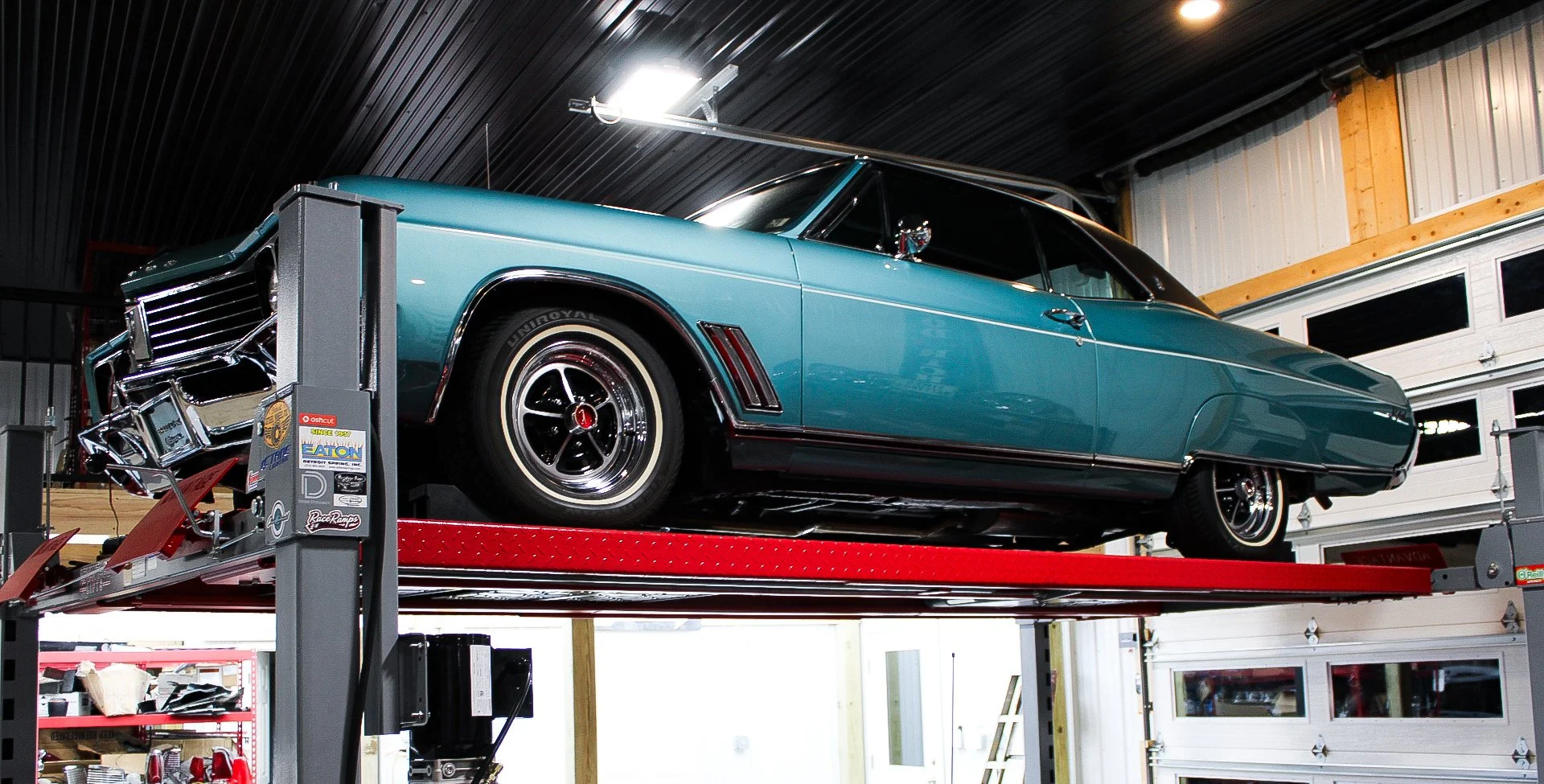
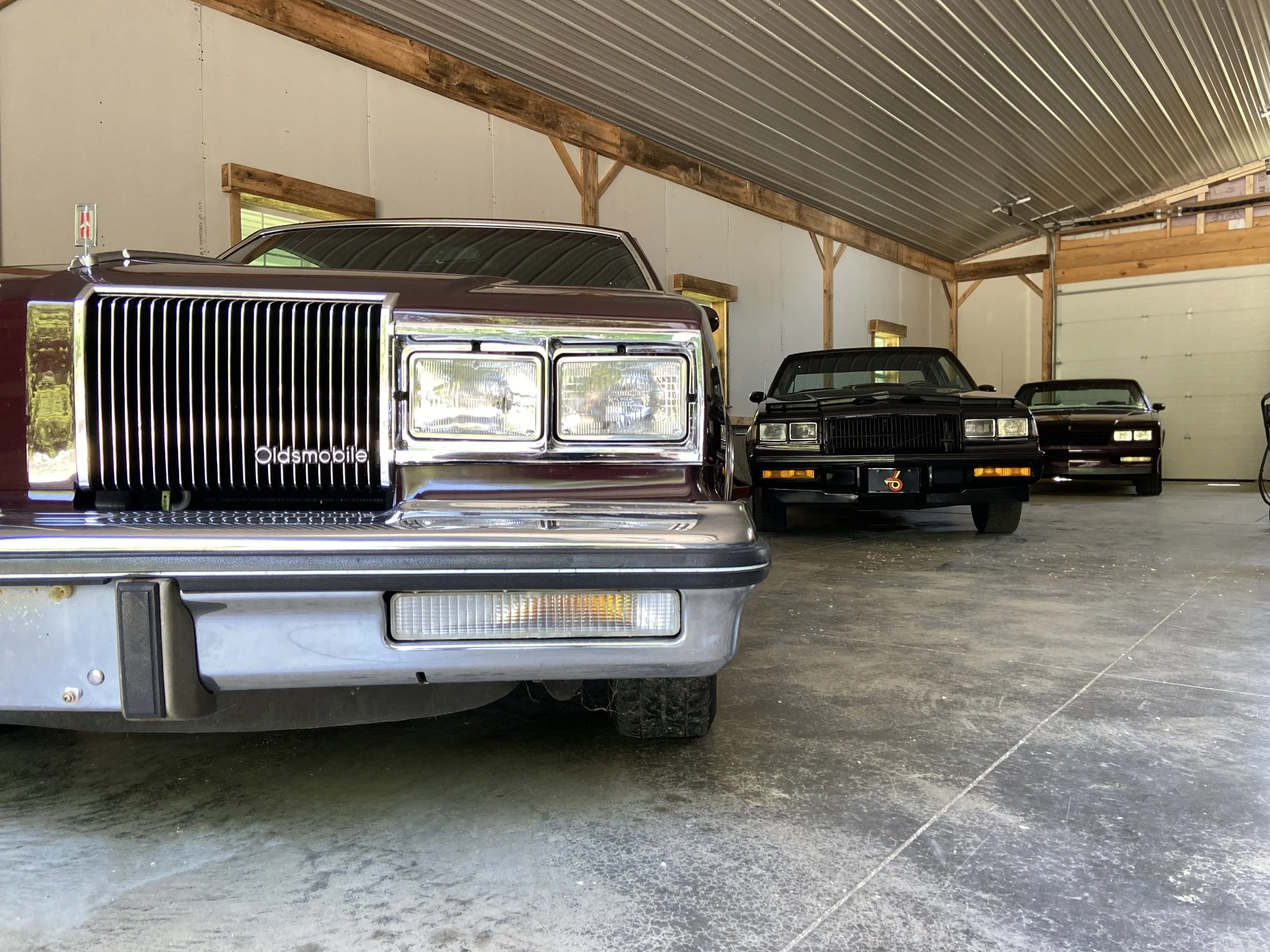
What began as a hobby—simply sourcing parts for his own vintage Lincoln—gradually evolved into something much larger. Lyman’s journey started with a personal project, restoring a 1960s Lincoln coupe. Frustrated by the scarcity and cost of parts, he began collecting and salvaging components himself. Over time, that effort snowballed into an inventory built for these specialized vehicles, eventually prompting him to leave behind a career in landscaping and commit fully to the business. Cars, however, were always part of his life. His father owned a Buick Skylark that stayed in the family for nearly four decades, a vehicle that not only sparked Lyman’s interest but also remains in his possession today. That personal connection continues to shape his work, grounding the business in both technical expertise and sentimental value.
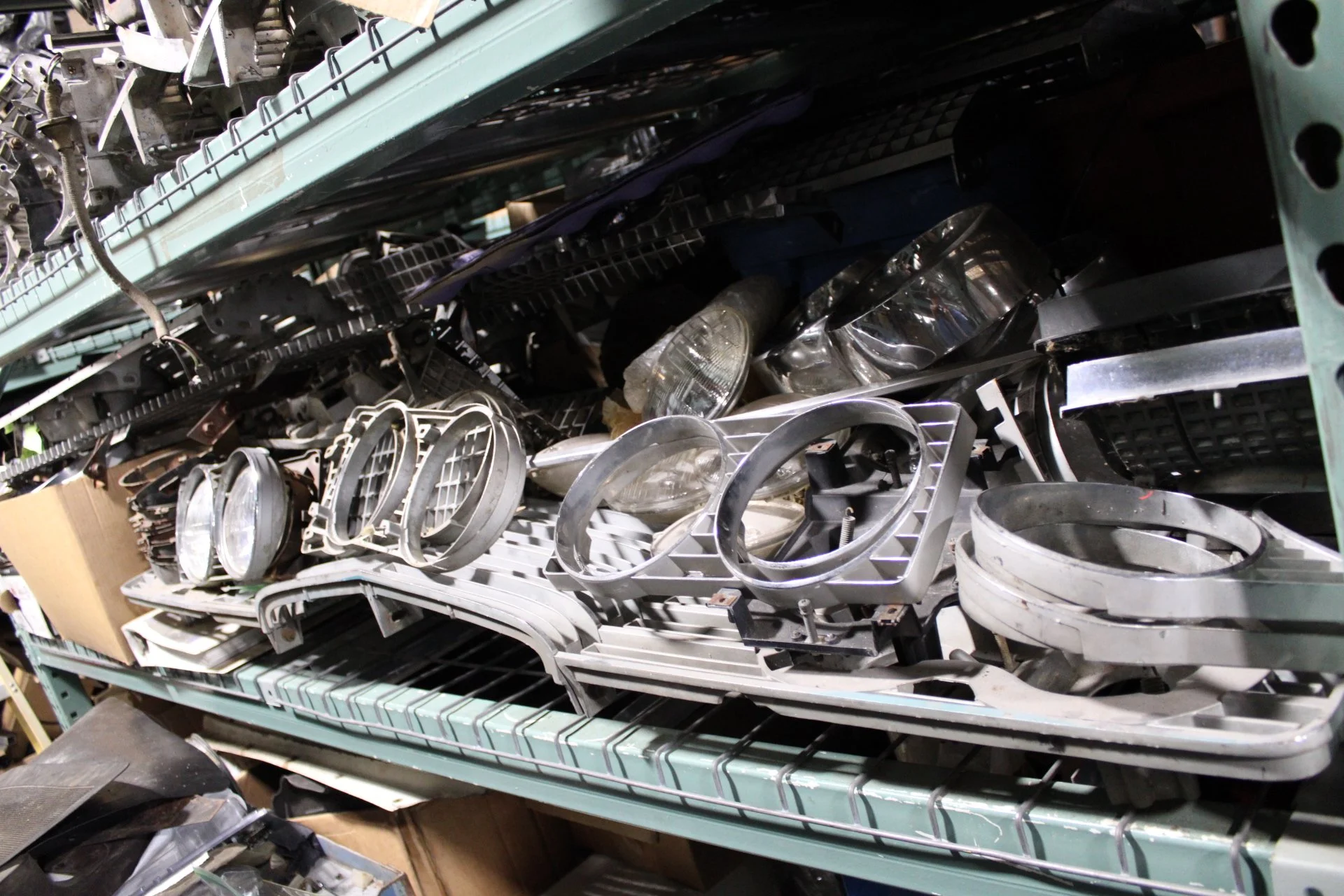
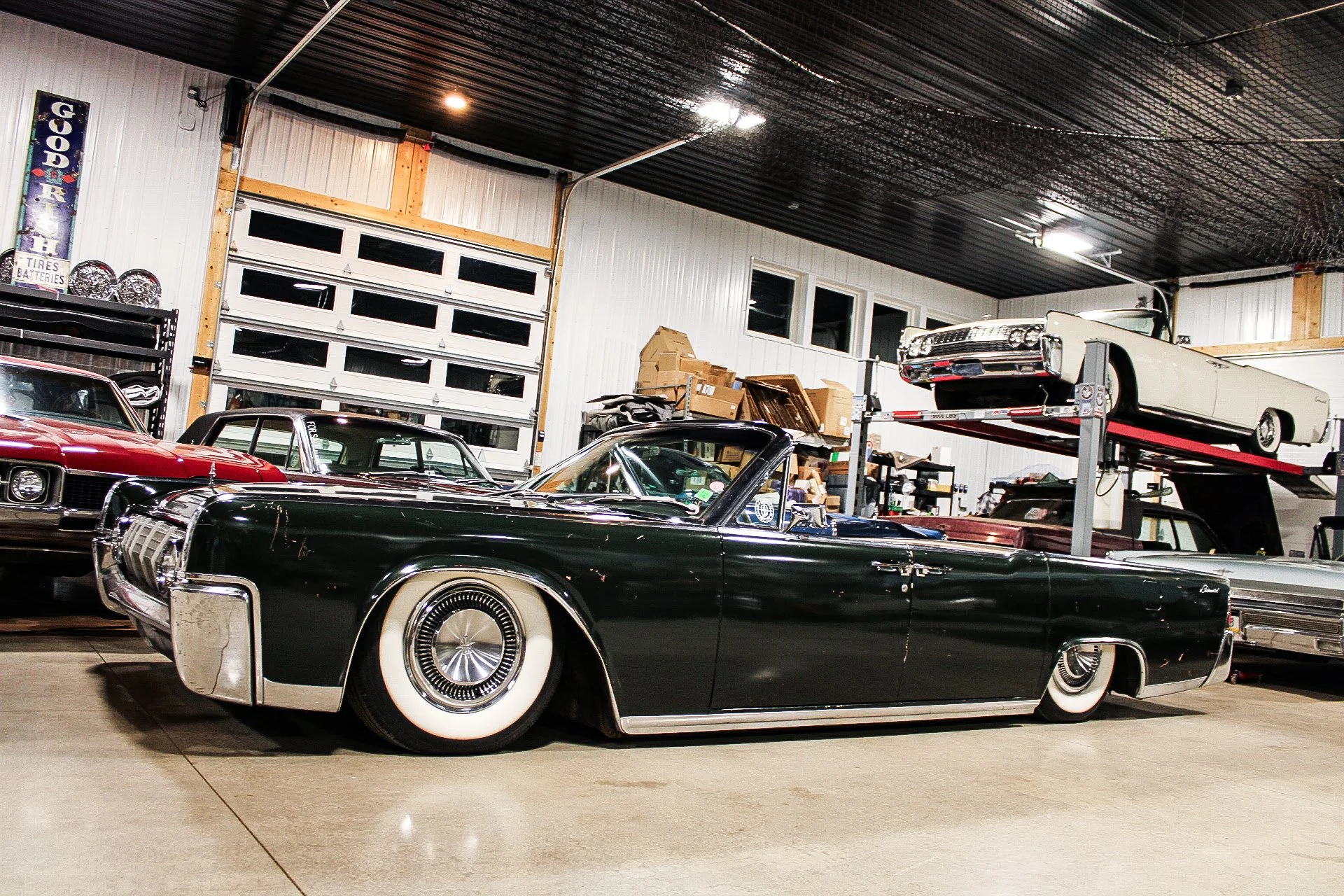
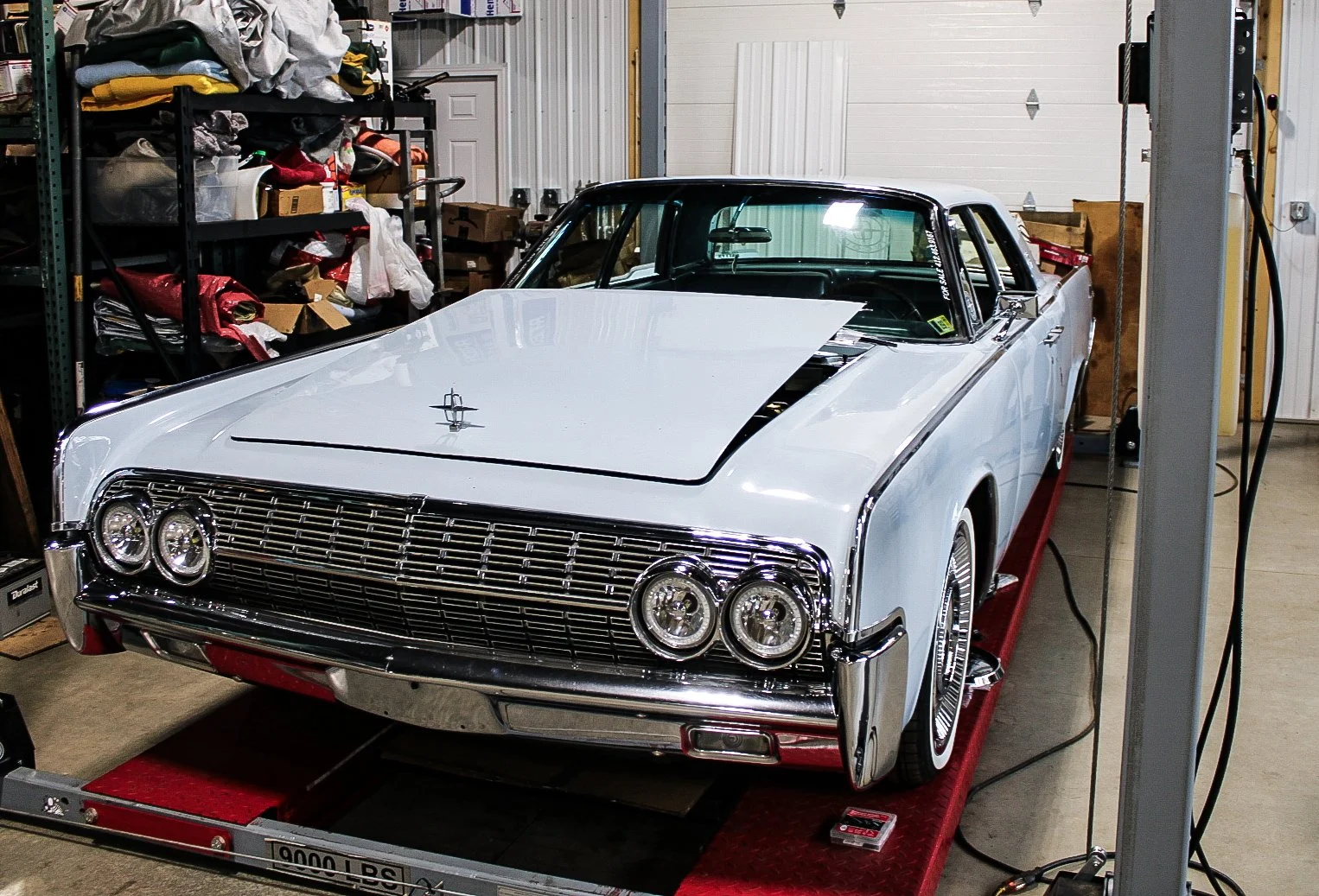
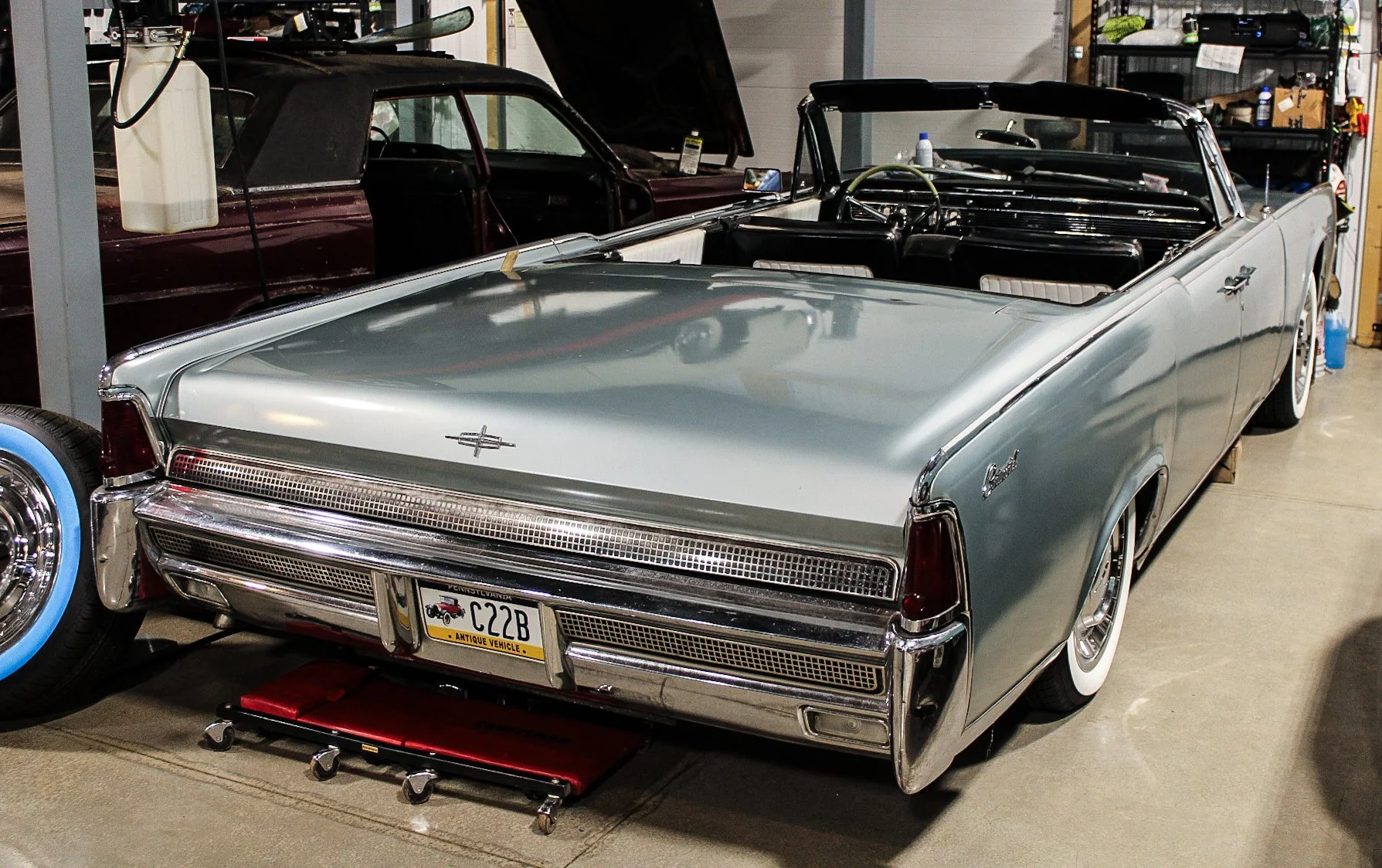
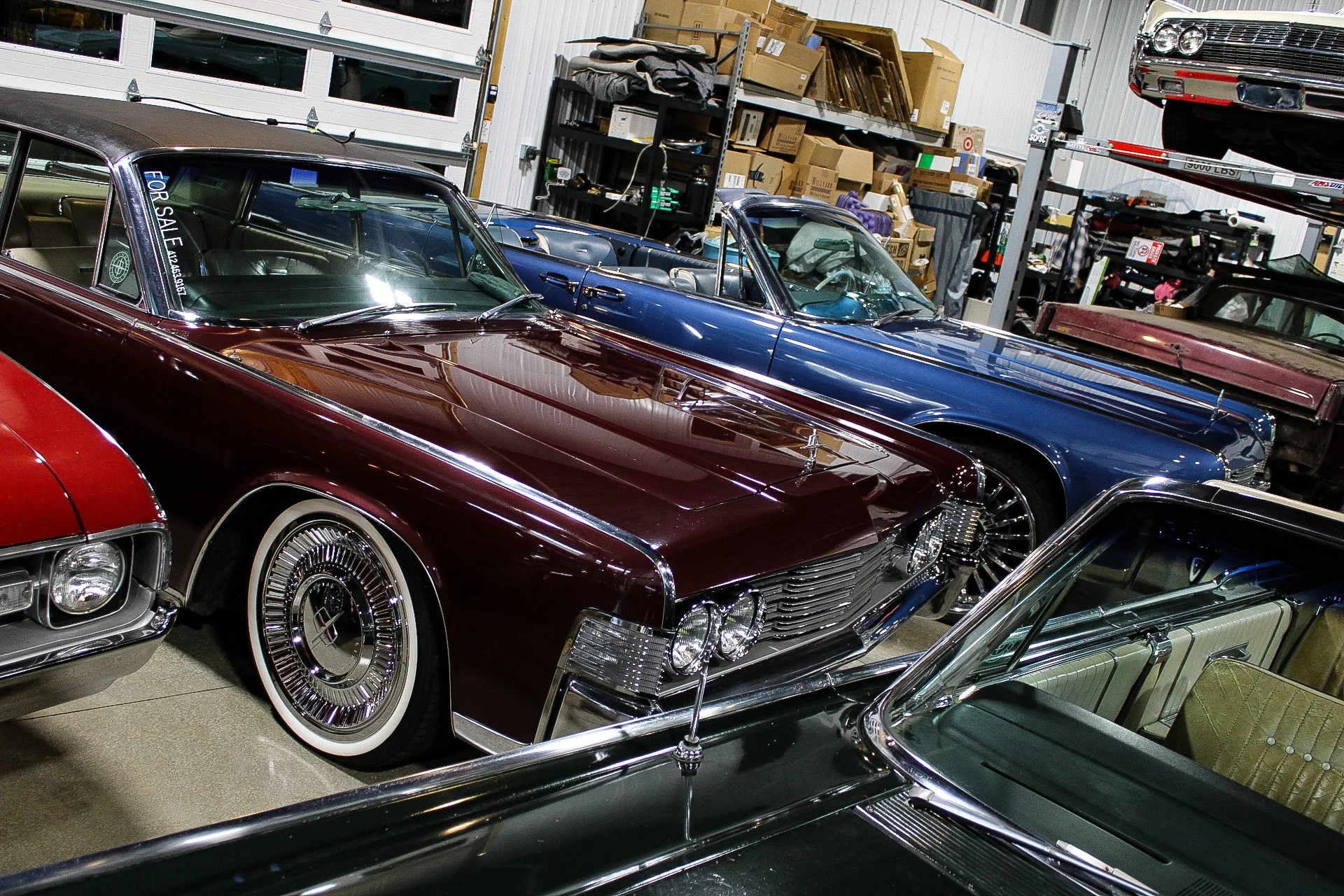
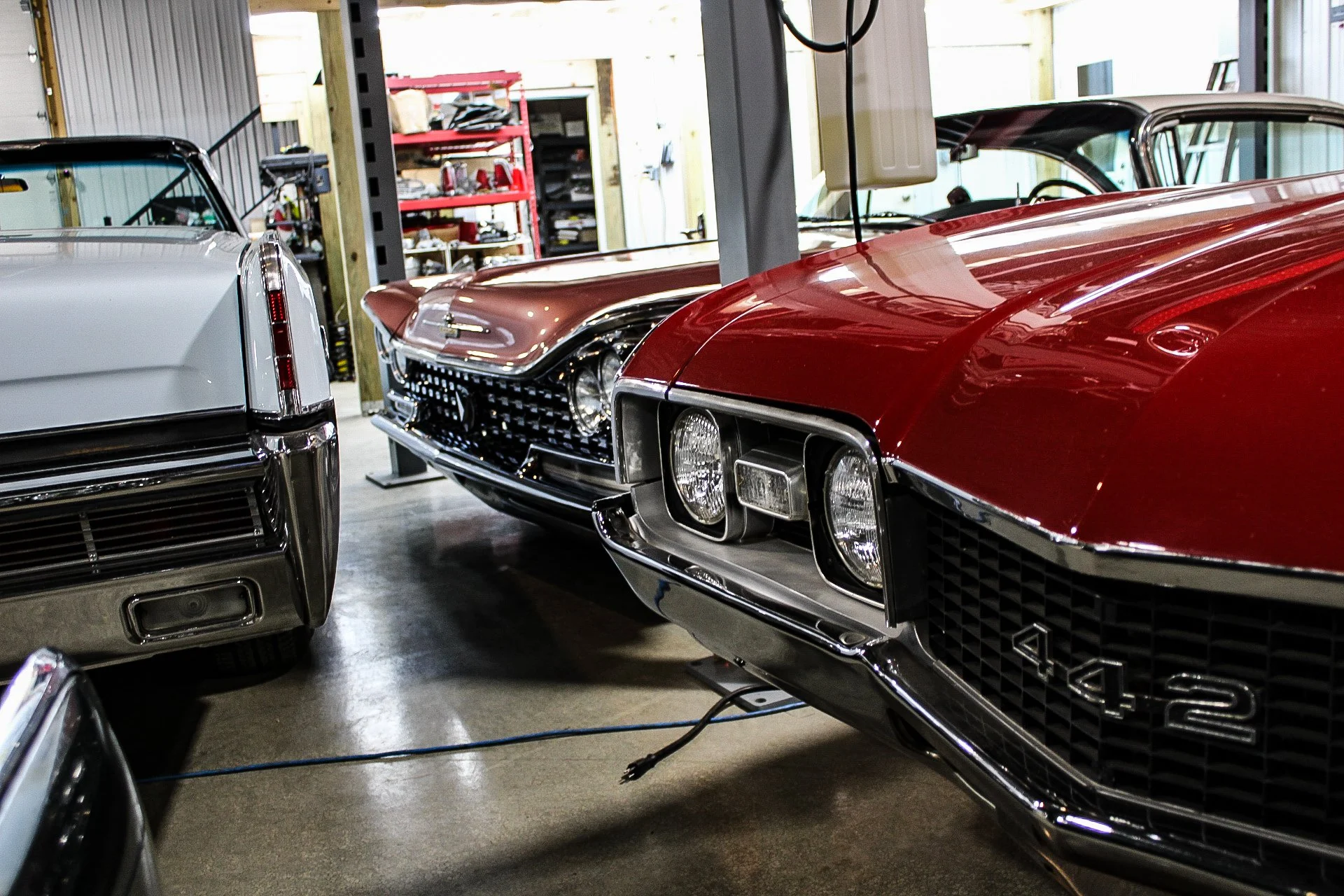
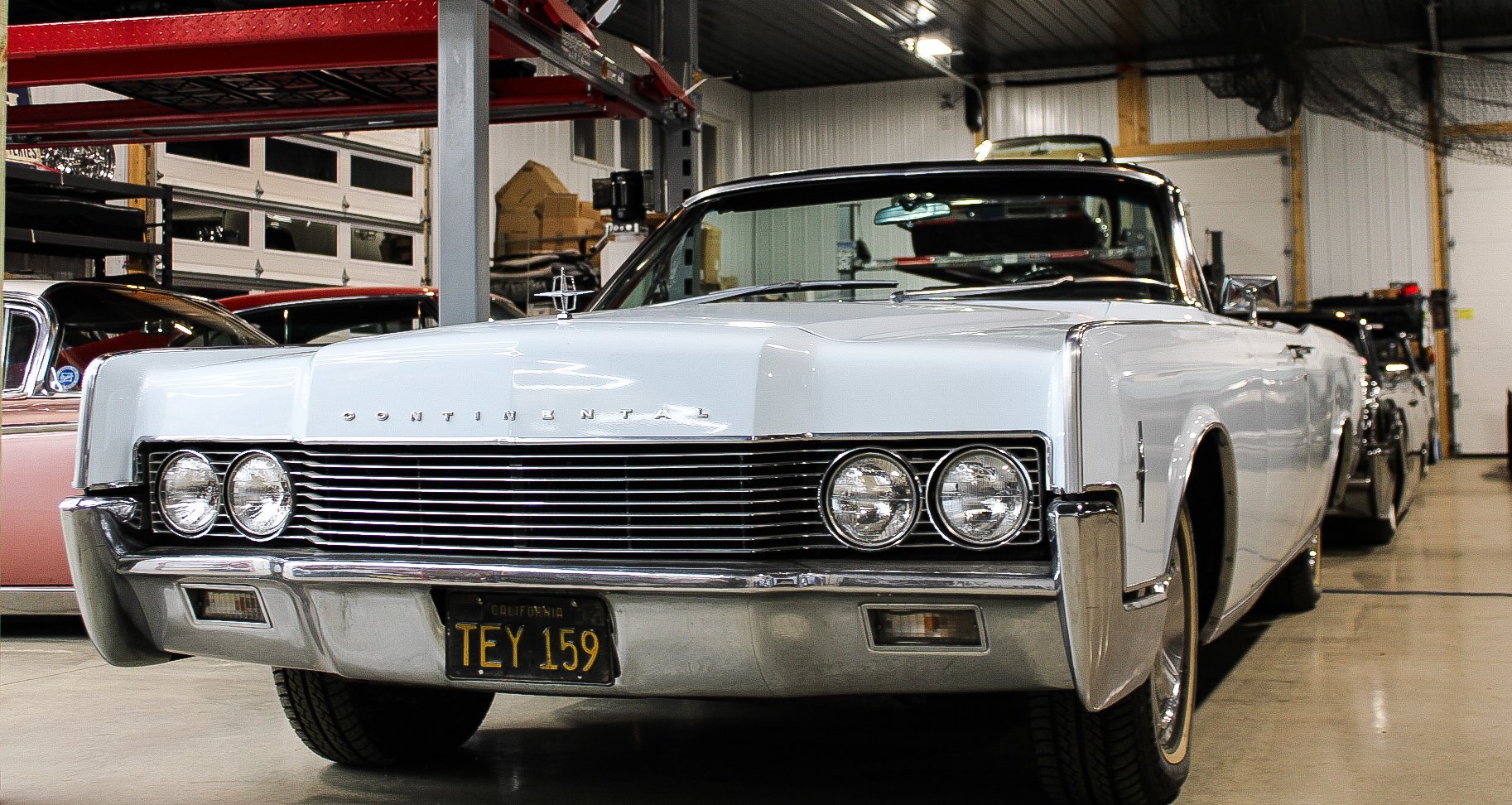
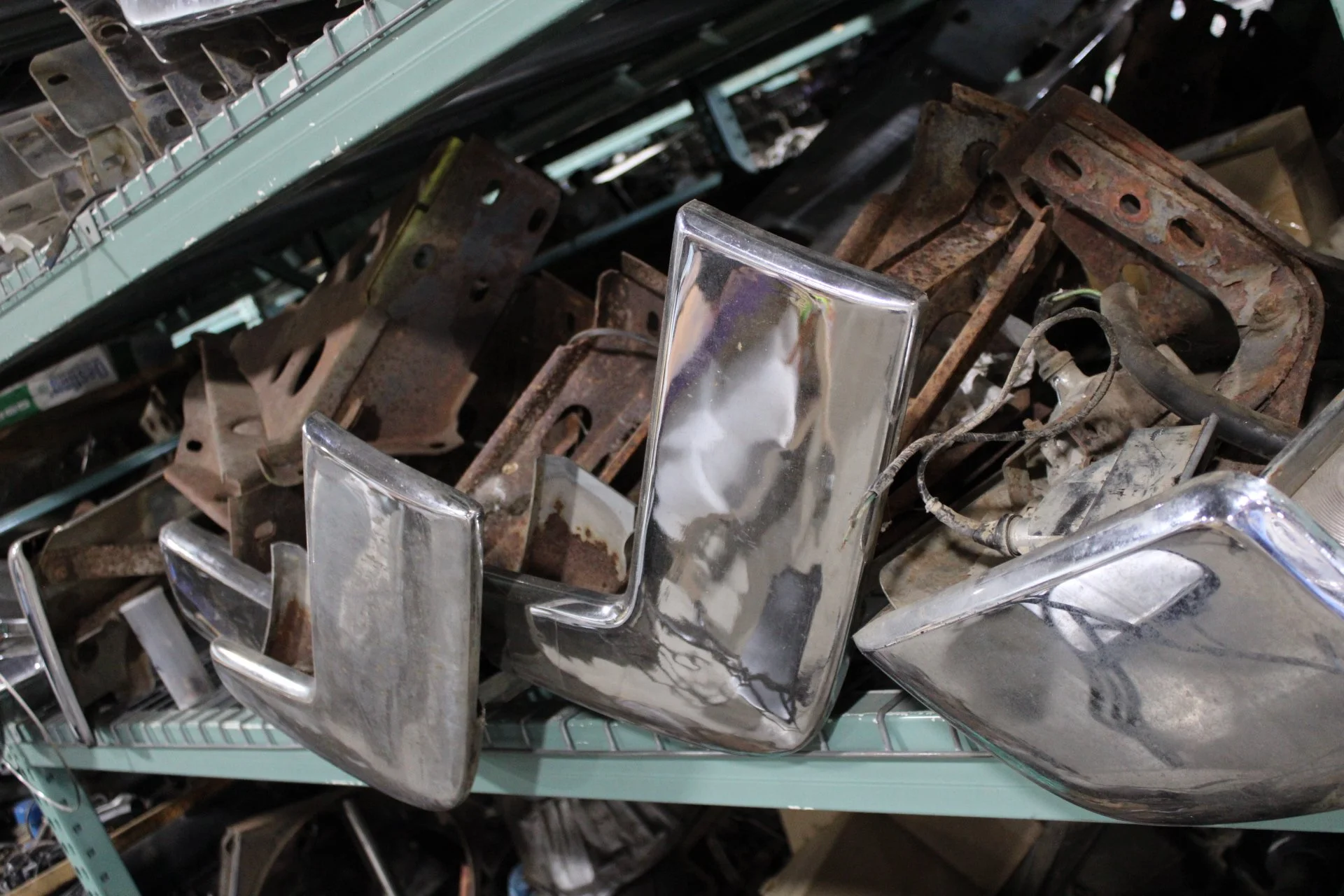
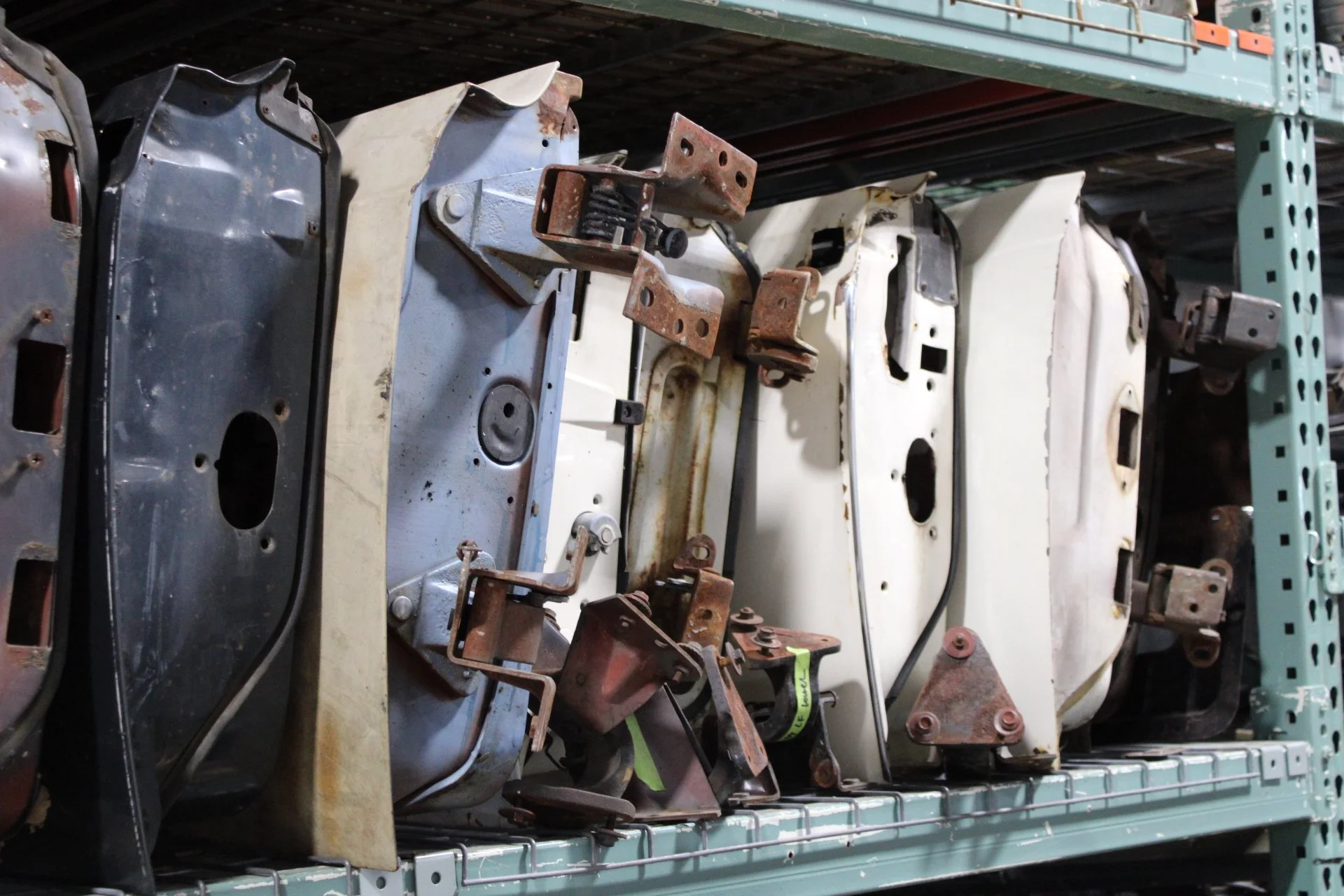
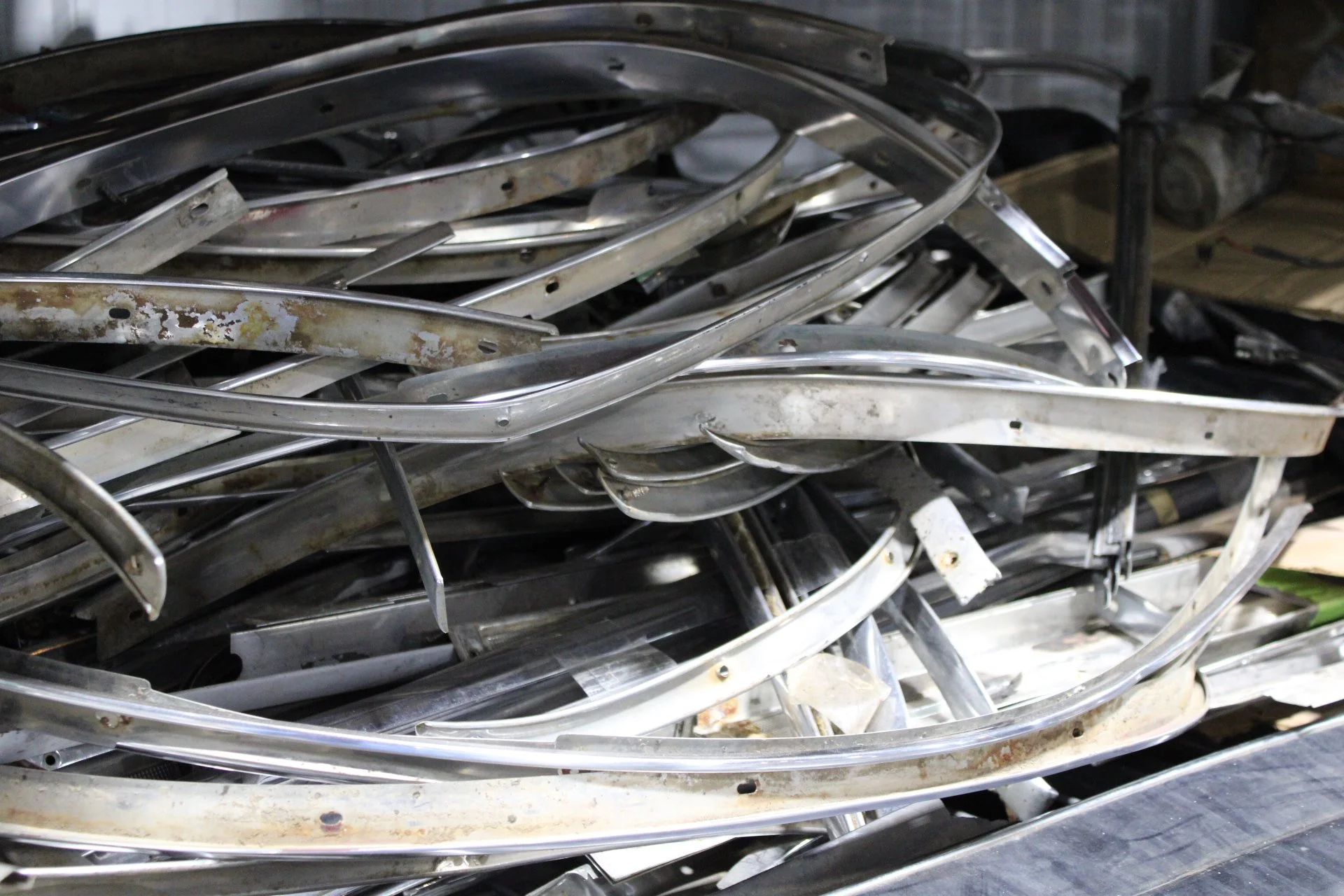
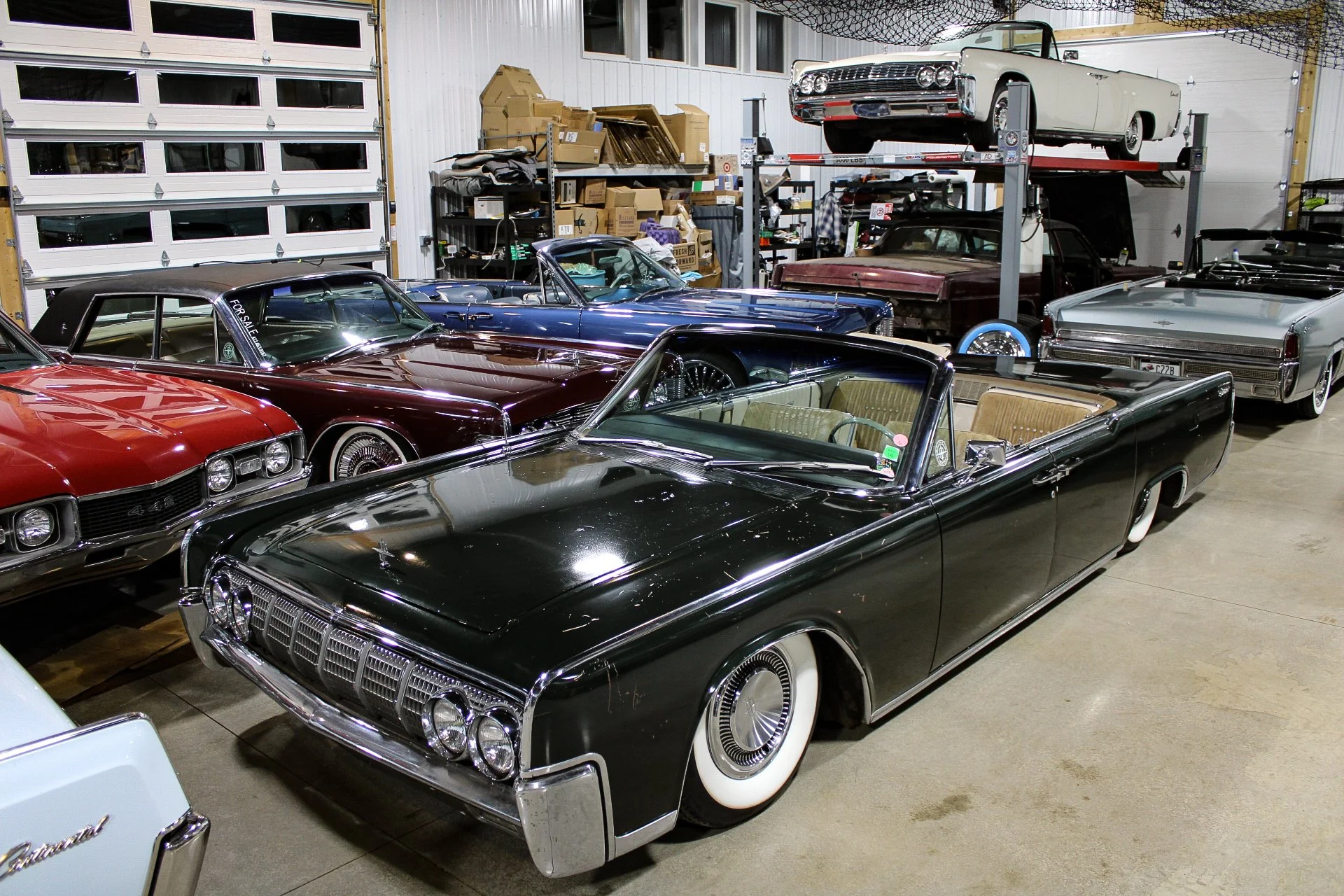
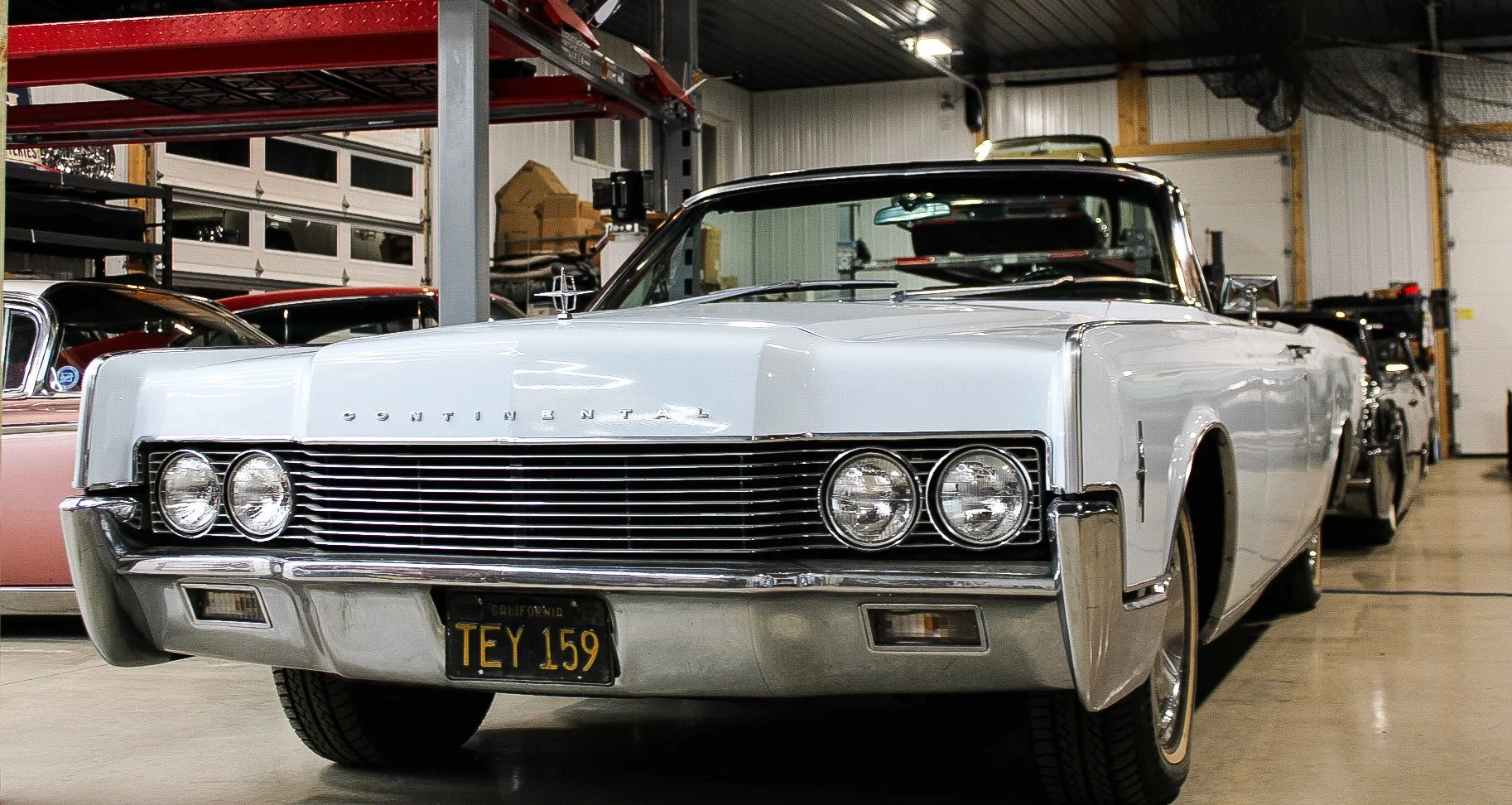
Today, Lyman specializes in parts for 1961–1969 Lincoln Continentals, with a particular focus on convertibles—models prized for their rarity and complexity. At first, the four-door design seemed unconventional, but it quickly revealed its appeal. Unlike most classic cars, where two-door models dominate, the four-door Lincoln—with its signature rear-hinged “suicide doors”—became the most desirable configuration. For many enthusiasts, it’s one of the rare cases where a four-door is actually cooler than its two-door counterpart. His shop reflects that niche: shelves lined with carefully cataloged components, from major body pieces down to the smallest screws and spacers. In a world where even a missing bolt can stall a restoration, Lyman has built a reputation for having what others don’t. Every part is saved, sorted, and stored with purpose. That attention to detail extends beyond inventory. Years of dismantling cars—more than a hundred by his estimate—have given Lyman an encyclopedic knowledge of these vehicles. Customers often come to him not just for parts, but for answers. Whether identifying obscure hardware or explaining how components fit together, he serves as both supplier and historian.It started with coupes and a chance find—a rust-free four-door pulled from a Pittsburgh property.
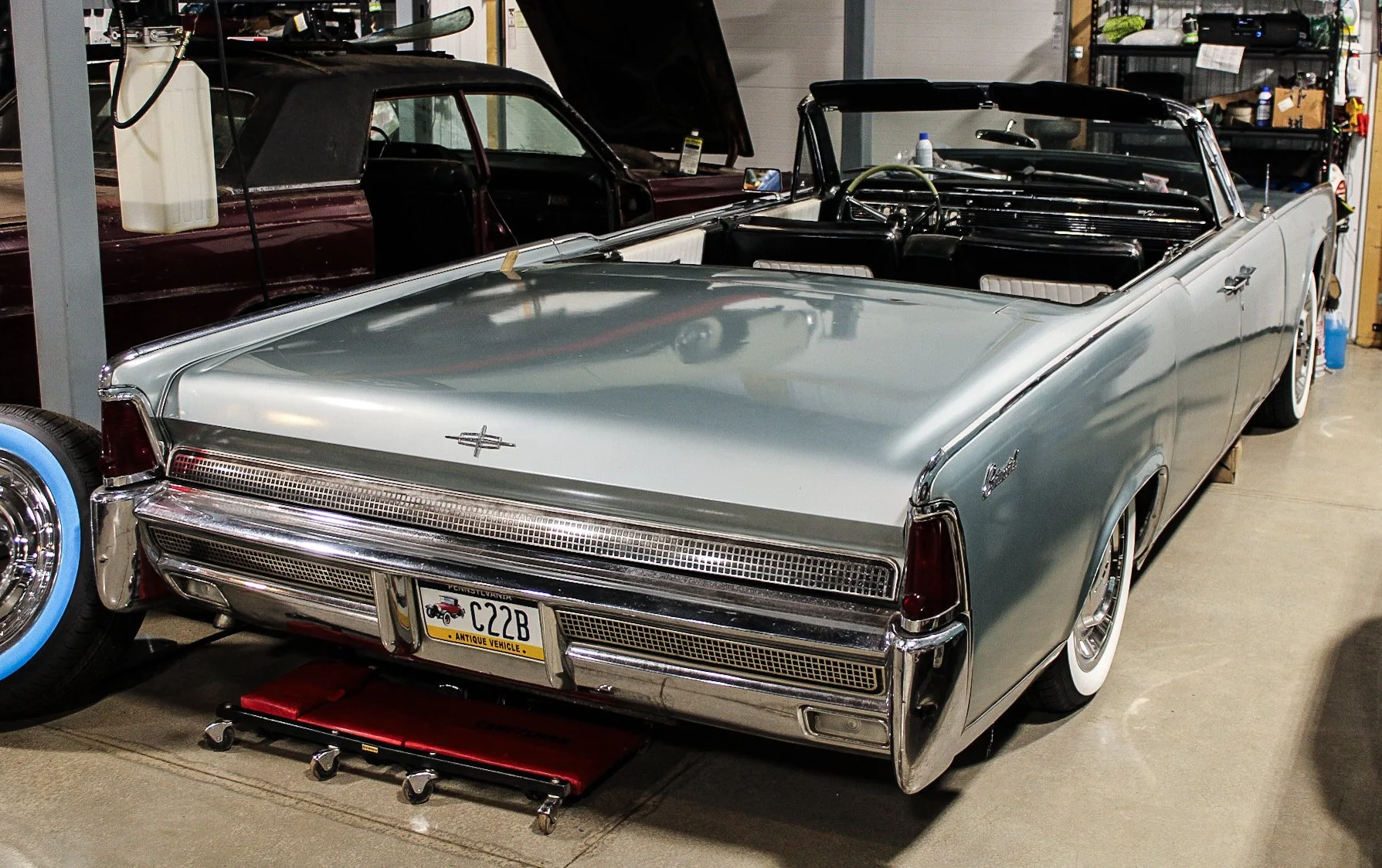
Subtle differences—a slightly longer rear door, a reshaped windshield, a redesigned grille—become markers of identity. A 1961, 1962, and 1963 Lincoln may share the same overall silhouette, but beneath the surface, they evolve: wiring changes, engine upgrades, and mechanical refinements signal a quiet progression toward the next generation. For collectors and restorers, this creates both fascination and frustration. Parts aren’t always interchangeable in obvious ways. A car might look like a 1962, but carry components from a 1965—disc brakes, spindles, or upgraded systems—forcing owners to become historians as much as mechanics. Knowing what to order requires knowing the car’s story.
Along the way, he’s uncovered small, human traces left behind in these machines—coins tucked into trim, forgotten objects sealed beneath panels—reminders that these cars were once assembled by hand, each with its own hidden story. It’s a detail that resonates in an era where modern manufacturing feels increasingly distant from the individual. Demand for these classic Lincolns has grown significantly over the years. Once overlooked, they’ve gained popularity thanks in part to pop culture exposure—most notably the iconic Lincoln featured in the HBO series Entourage. That visibility helped elevate the cars from niche collectibles to sought-after builds, especially among restomod enthusiasts looking to blend vintage style with modern performance. With that rise in interest comes a hunt for rare components. Among the most coveted are factory bucket seats and passenger-side mirrors from late-1960s models—parts that were optional at the time and produced in limited numbers. Today, they’re considered “unobtanium,” often selling as quickly as they appear.
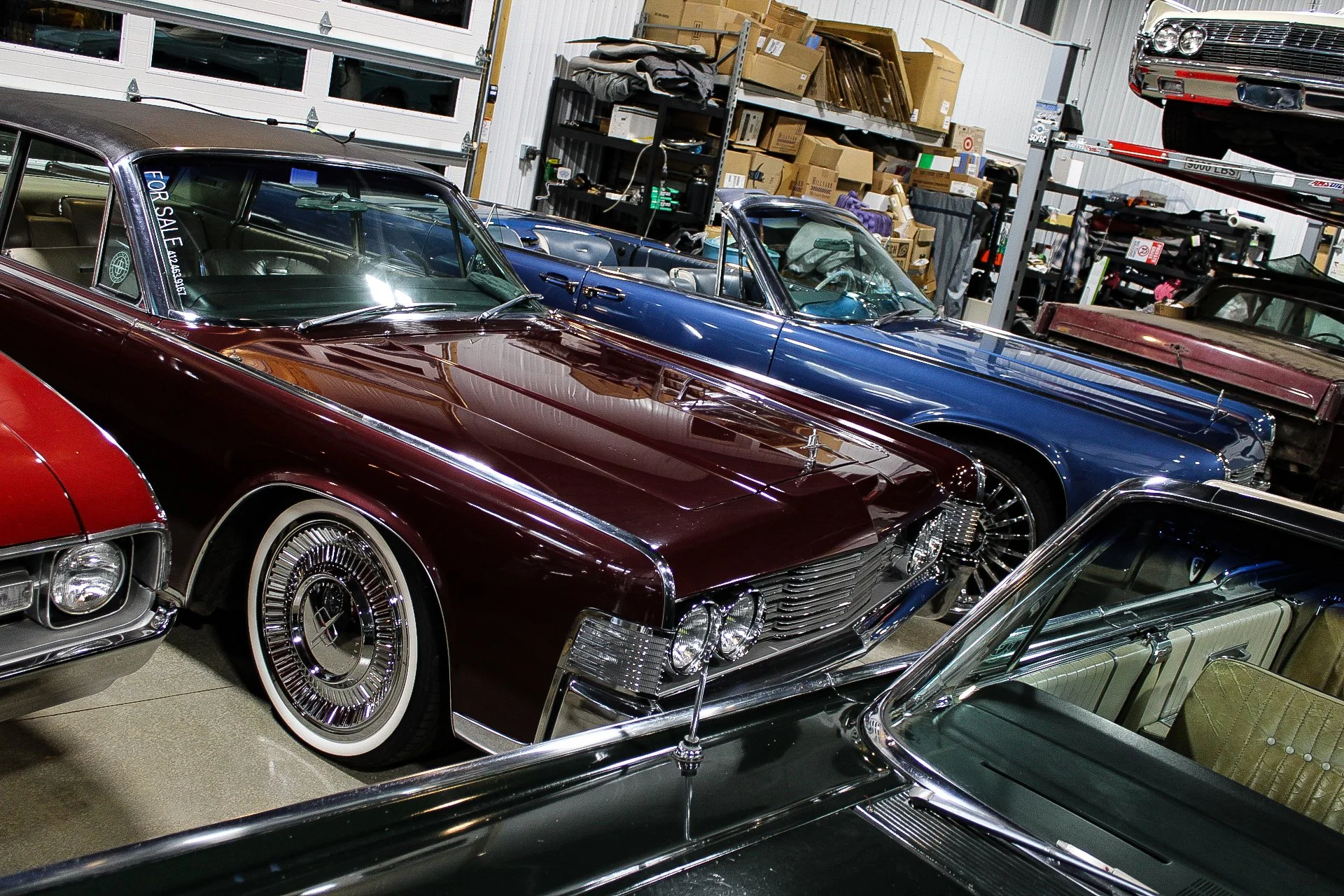
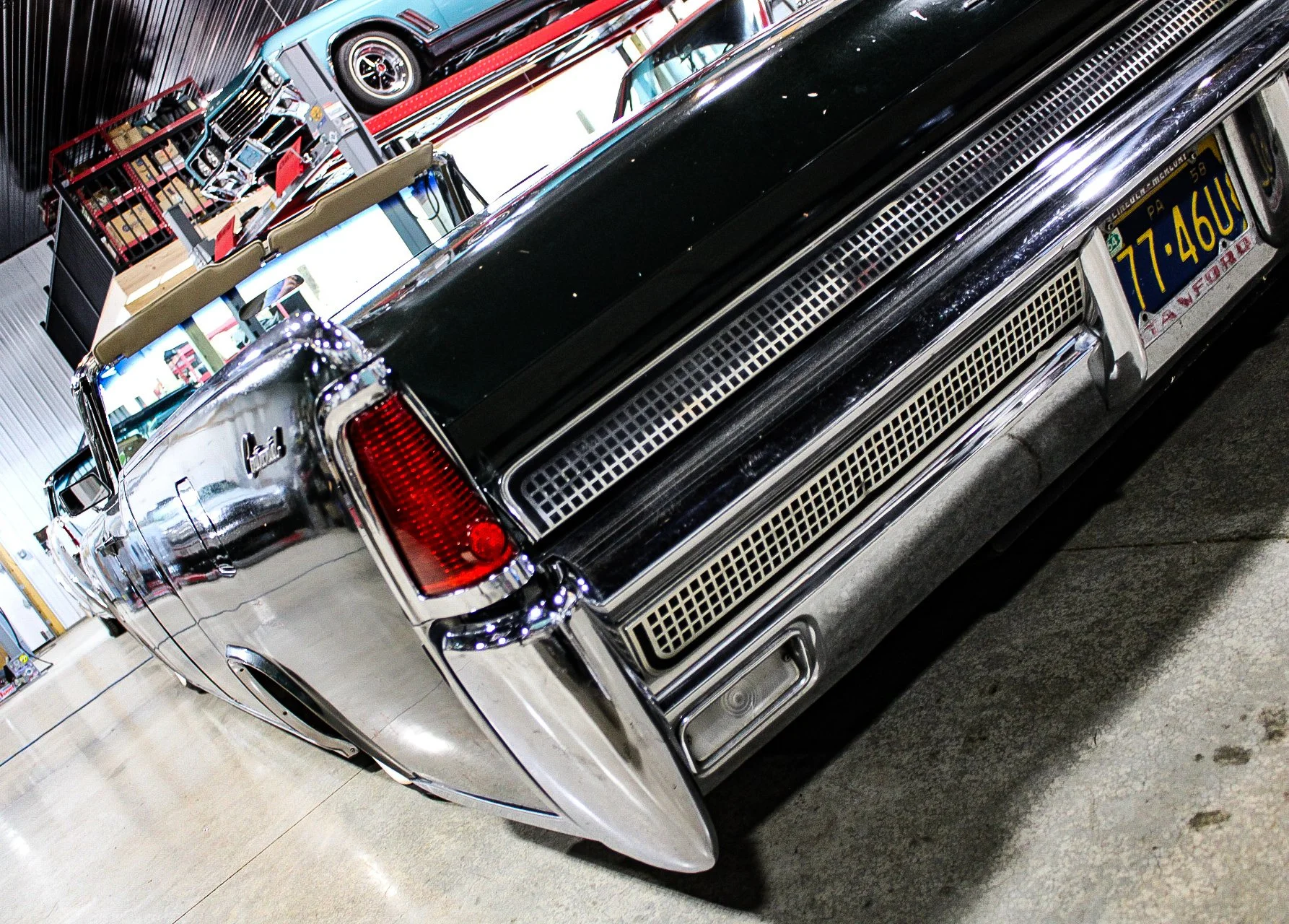
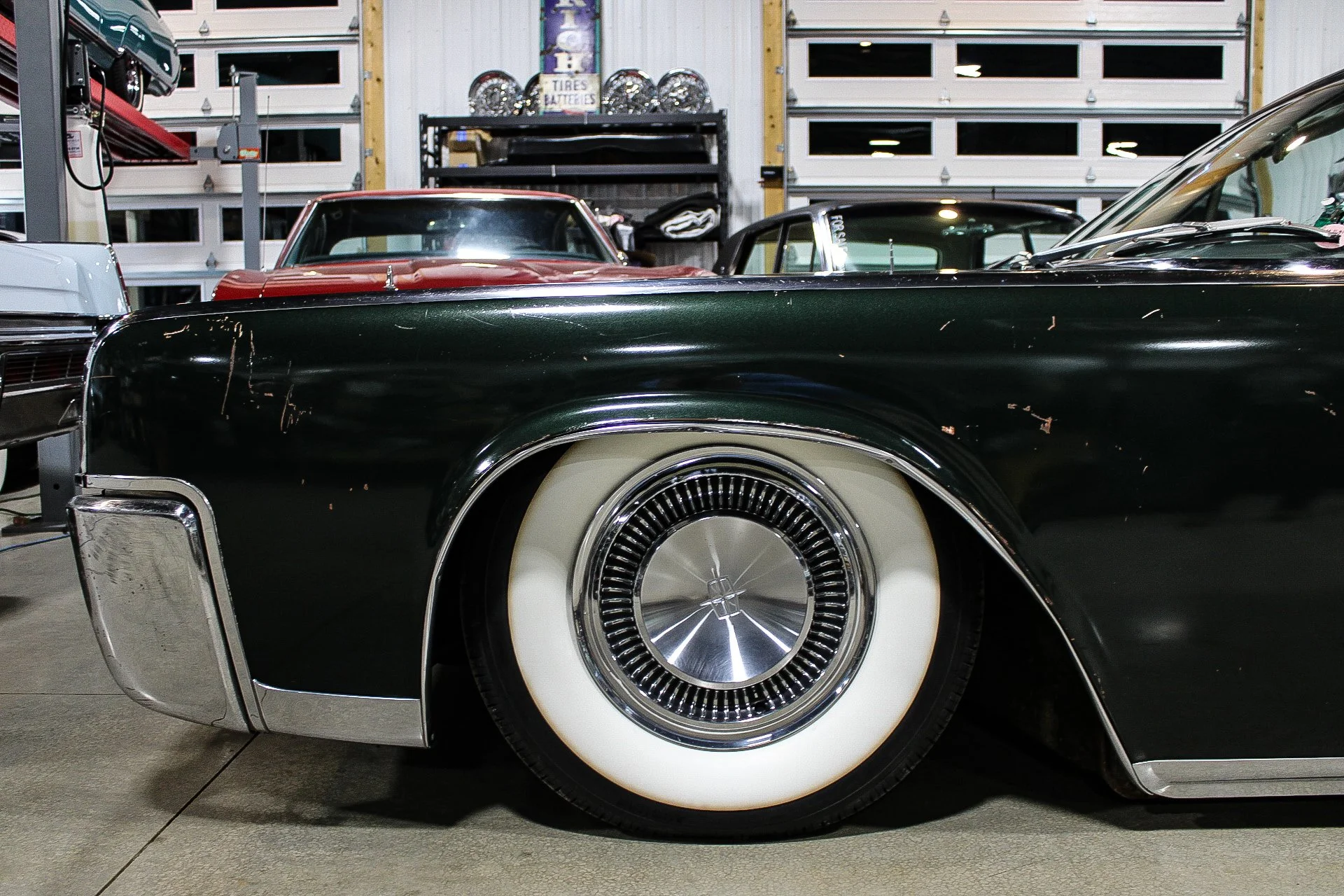
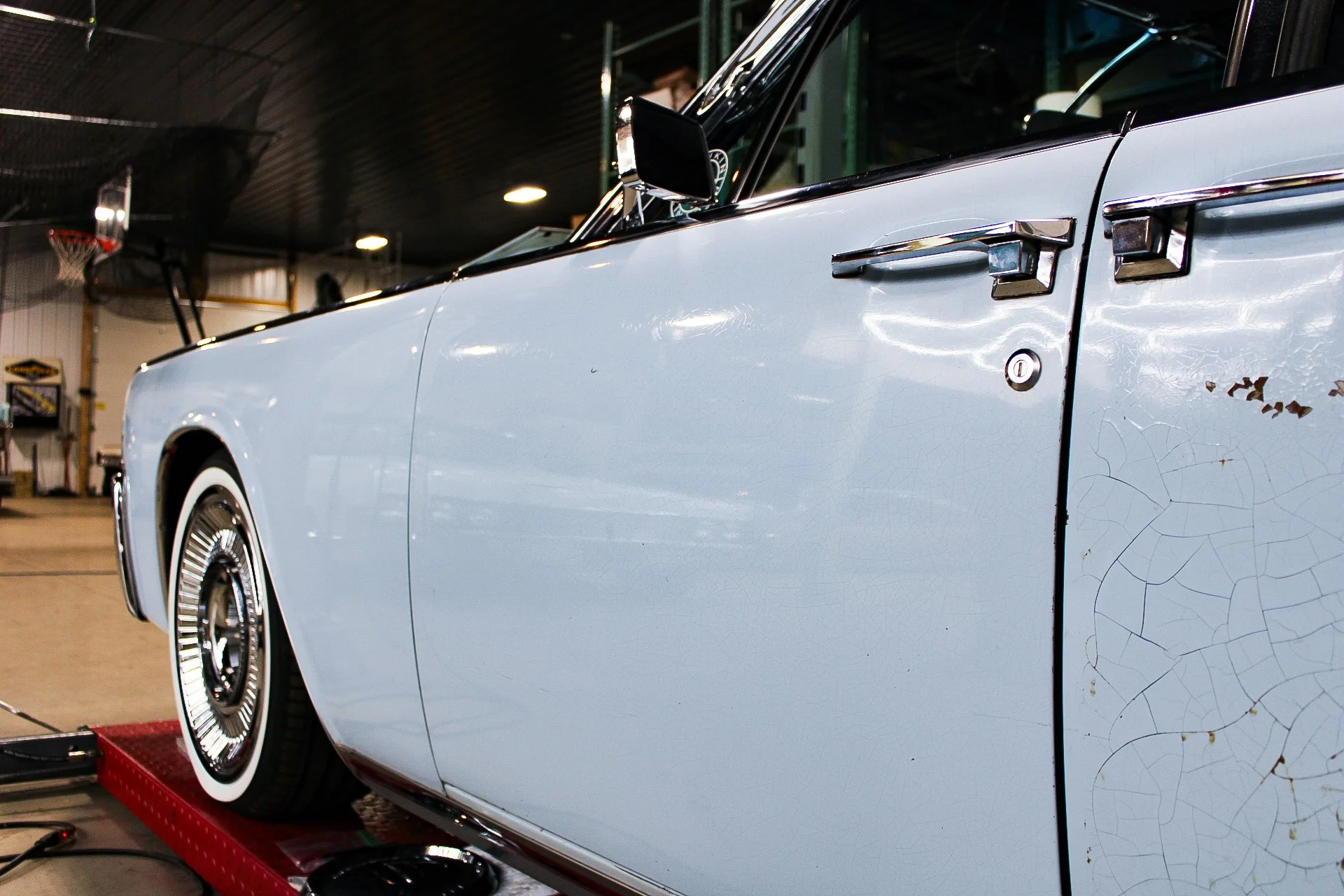
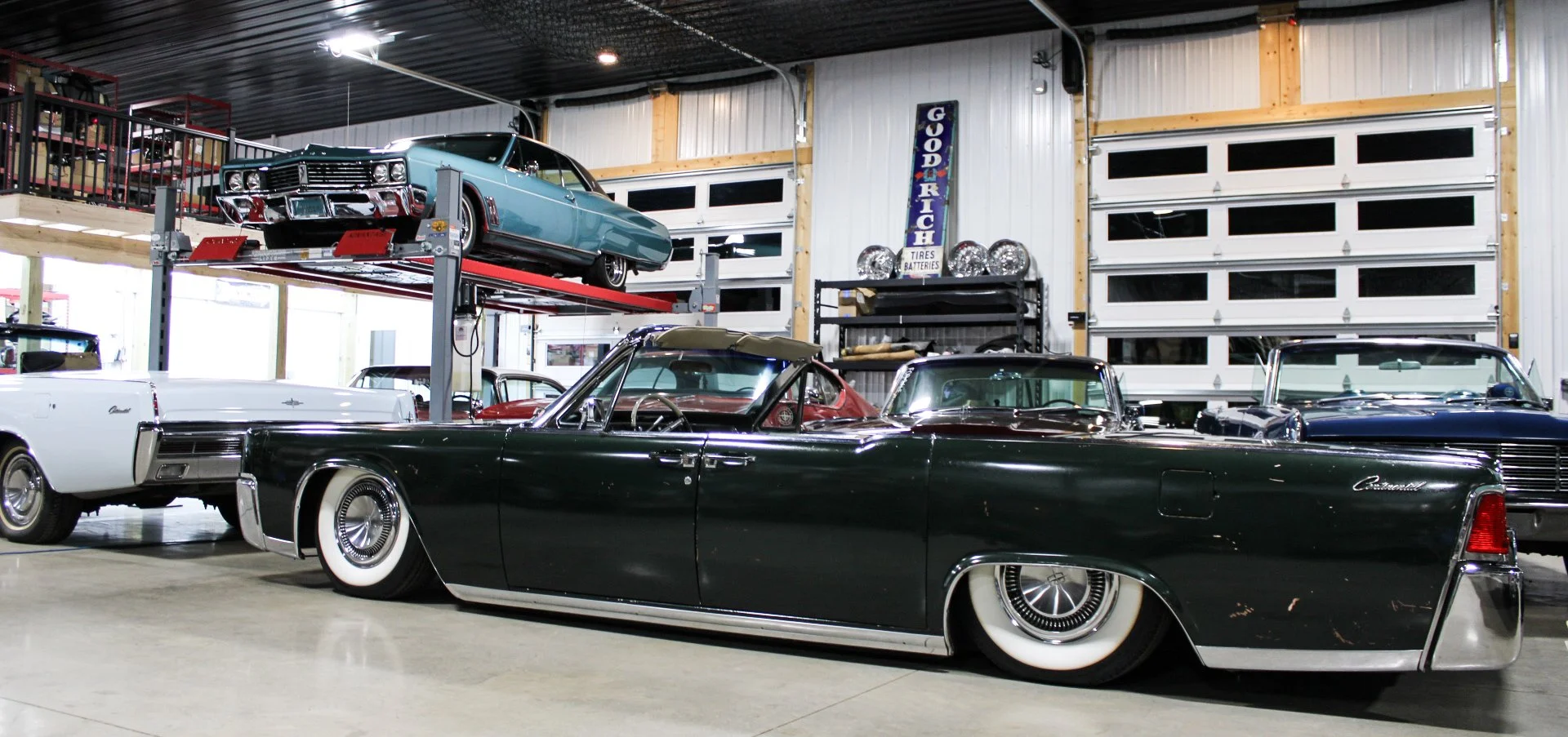
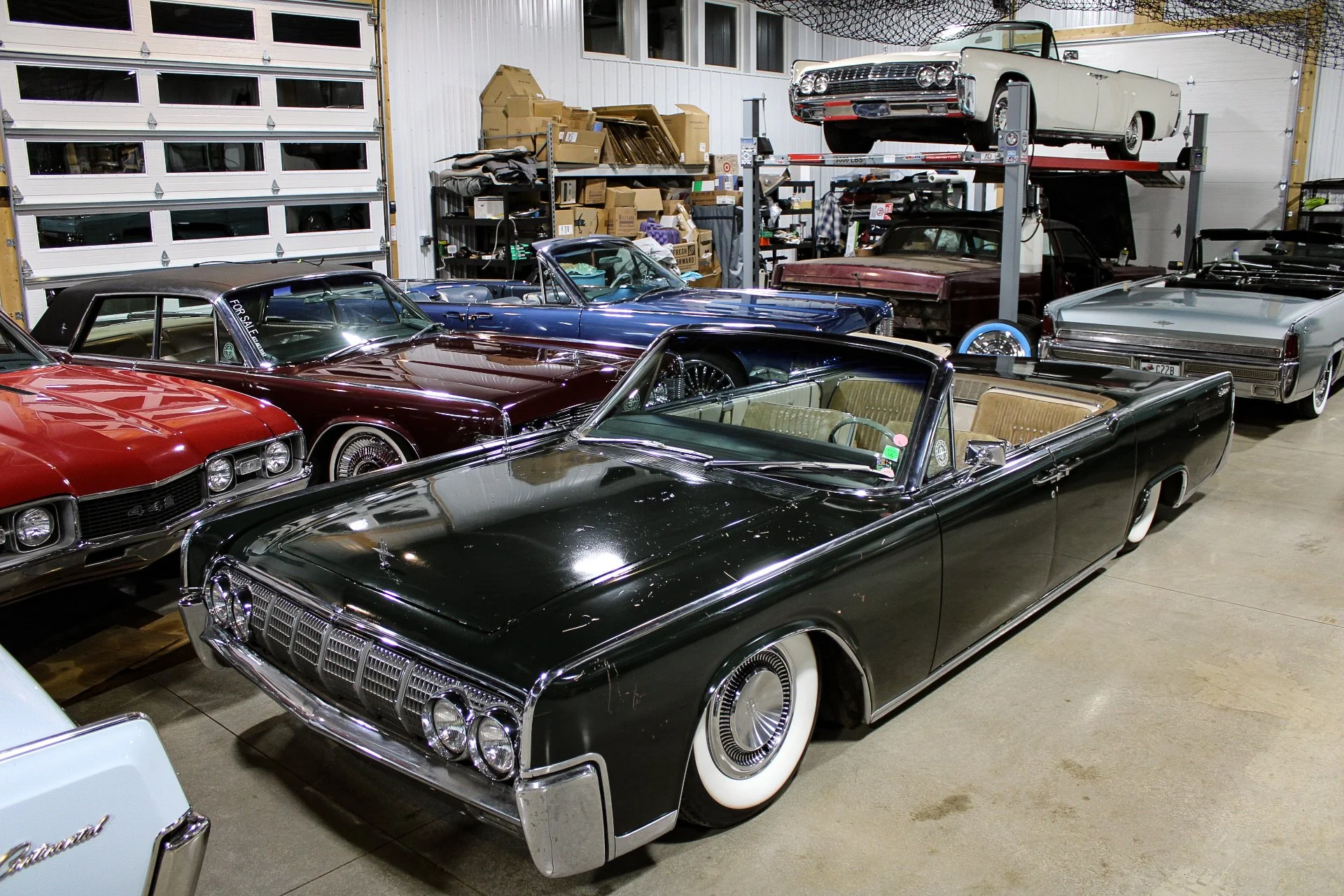
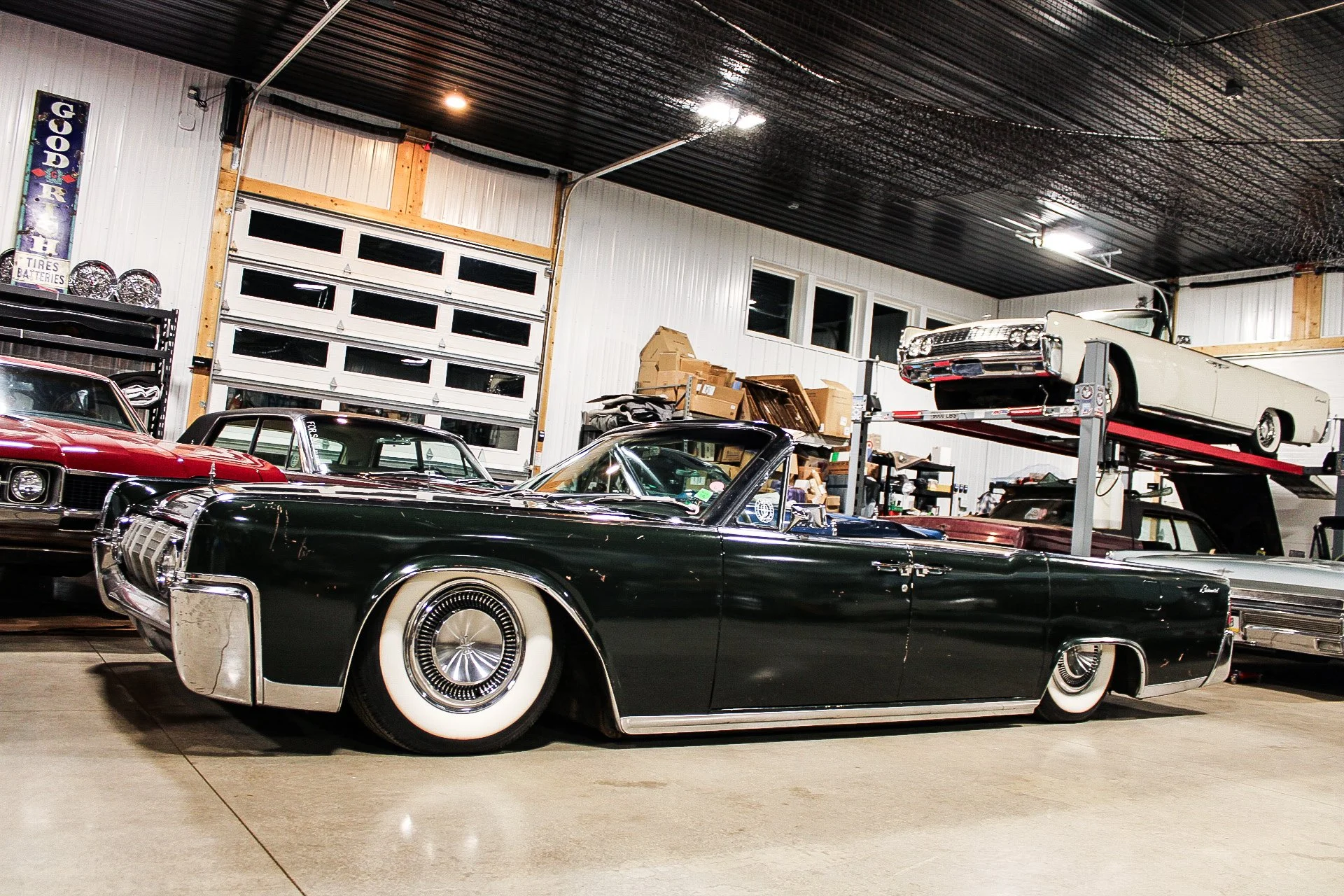
The market for these vehicles has shifted dramatically in recent years. Traditionally, older collectors sought factory-correct restorations, valuing originality above all else. But during the COVID-19 pandemic, a new wave of younger buyers entered the scene. With more time and disposable income, these enthusiasts began investing in restomod builds—cars that combine vintage styling with modern performance and reliability. This generational shift reshaped the market. Today, a well-executed restomod can command significantly higher prices than a stock restoration. Buyers want the classic look of a 1960s Lincoln paired with the drivability of a modern vehicle—something that can handle long trips without constant mechanical concerns. Original cars, while still respected, often require careful planning and spare parts just to ensure a trouble-free drive. In a world of glossy restorations and showroom finishes, there’s a growing appreciation for “patina”—the wear and tear that comes from decades of real life. Faded paint, chipped edges, and small dents aren’t flaws; they’re evidence. They tell stories. A scratch might trace back to a night of careless laughter. A worn seat might hint at countless passengers. Imperfection becomes authenticity.
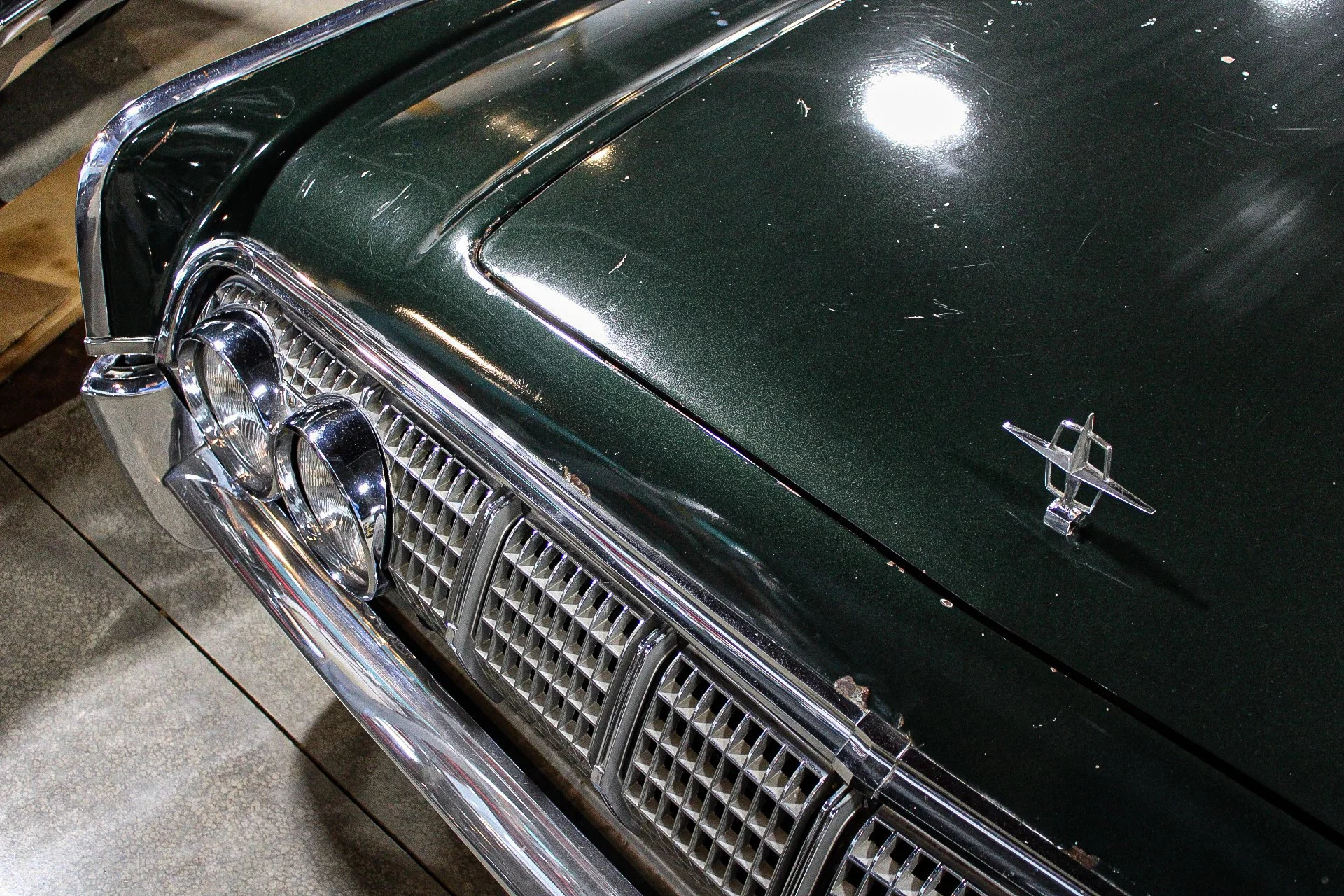
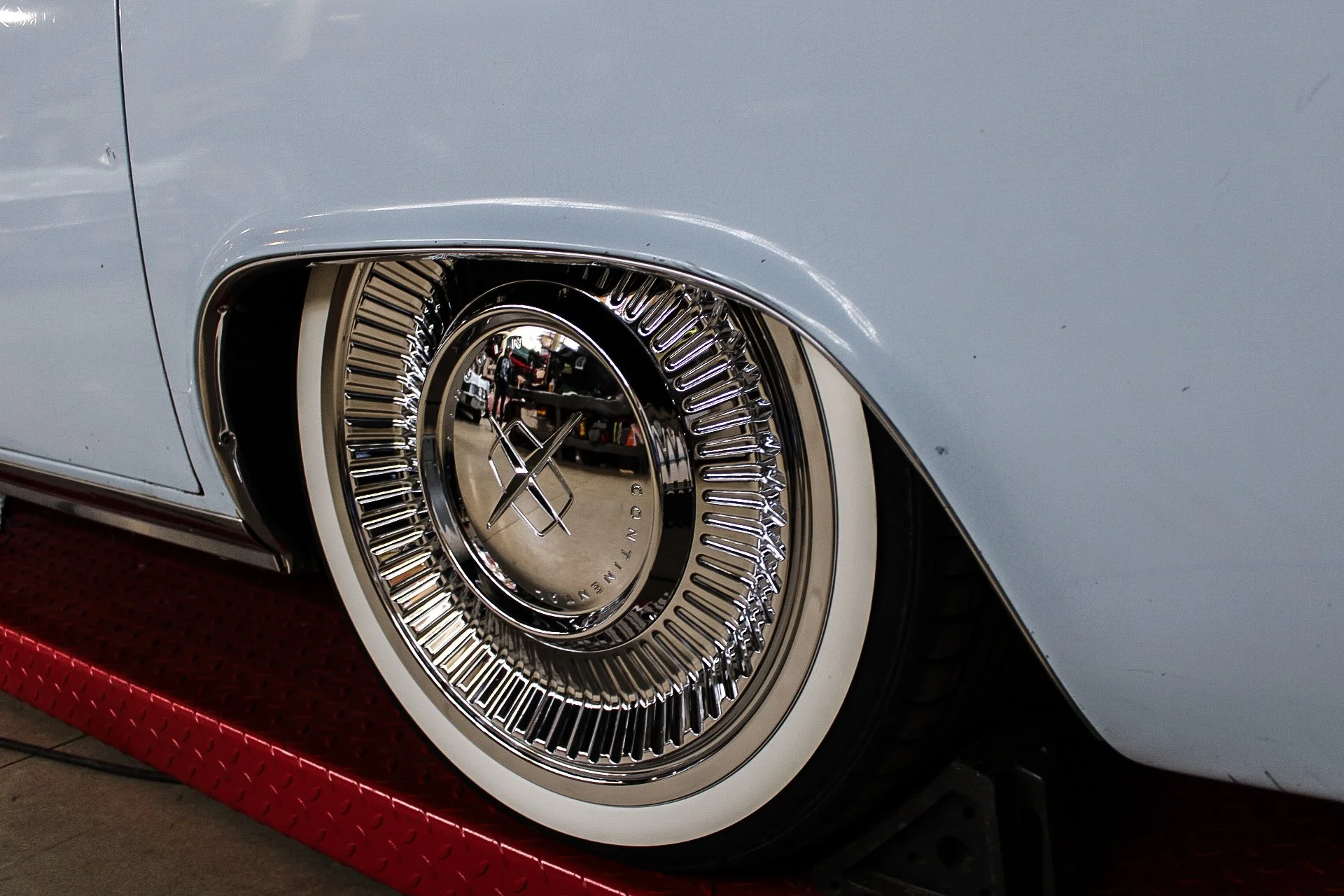
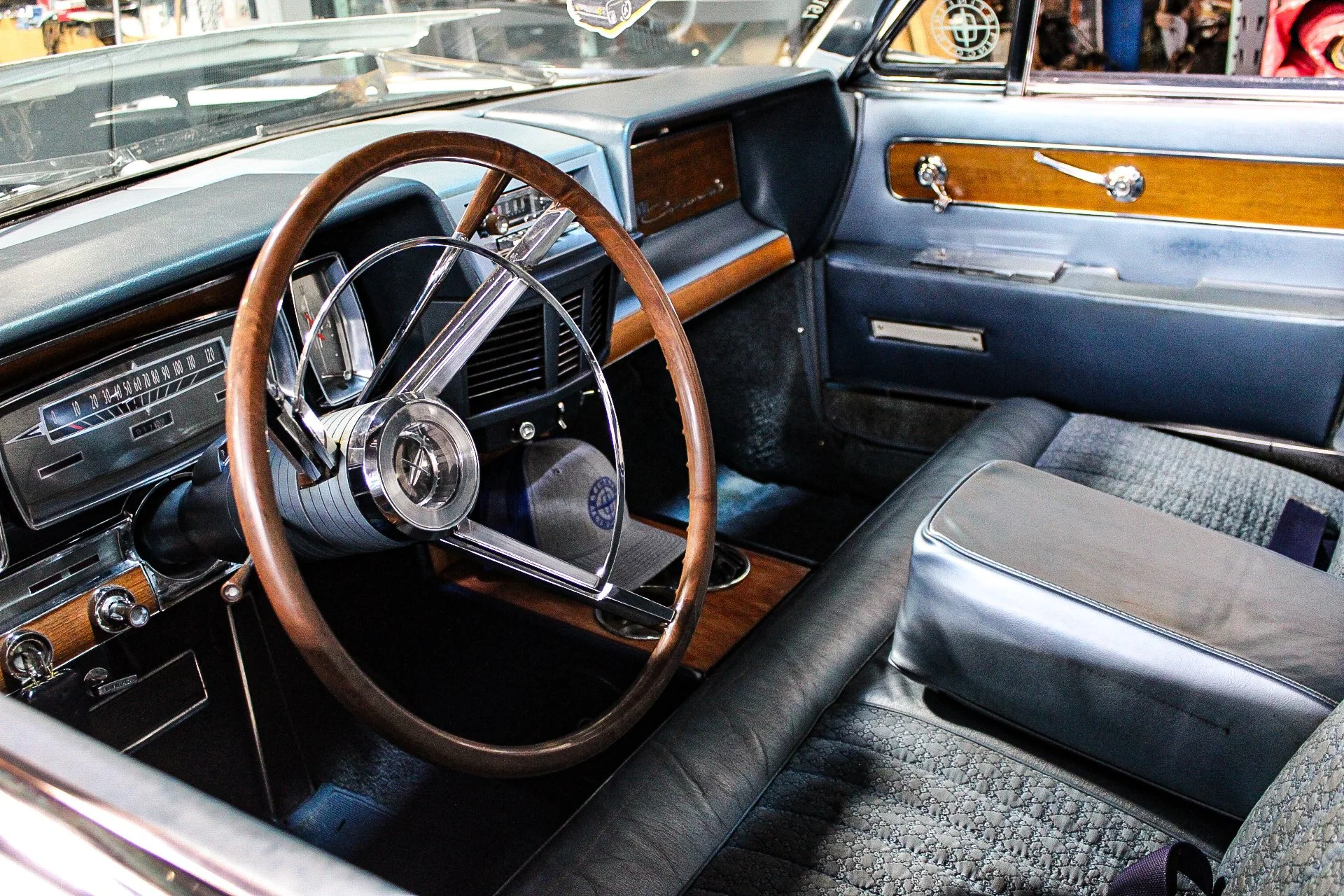
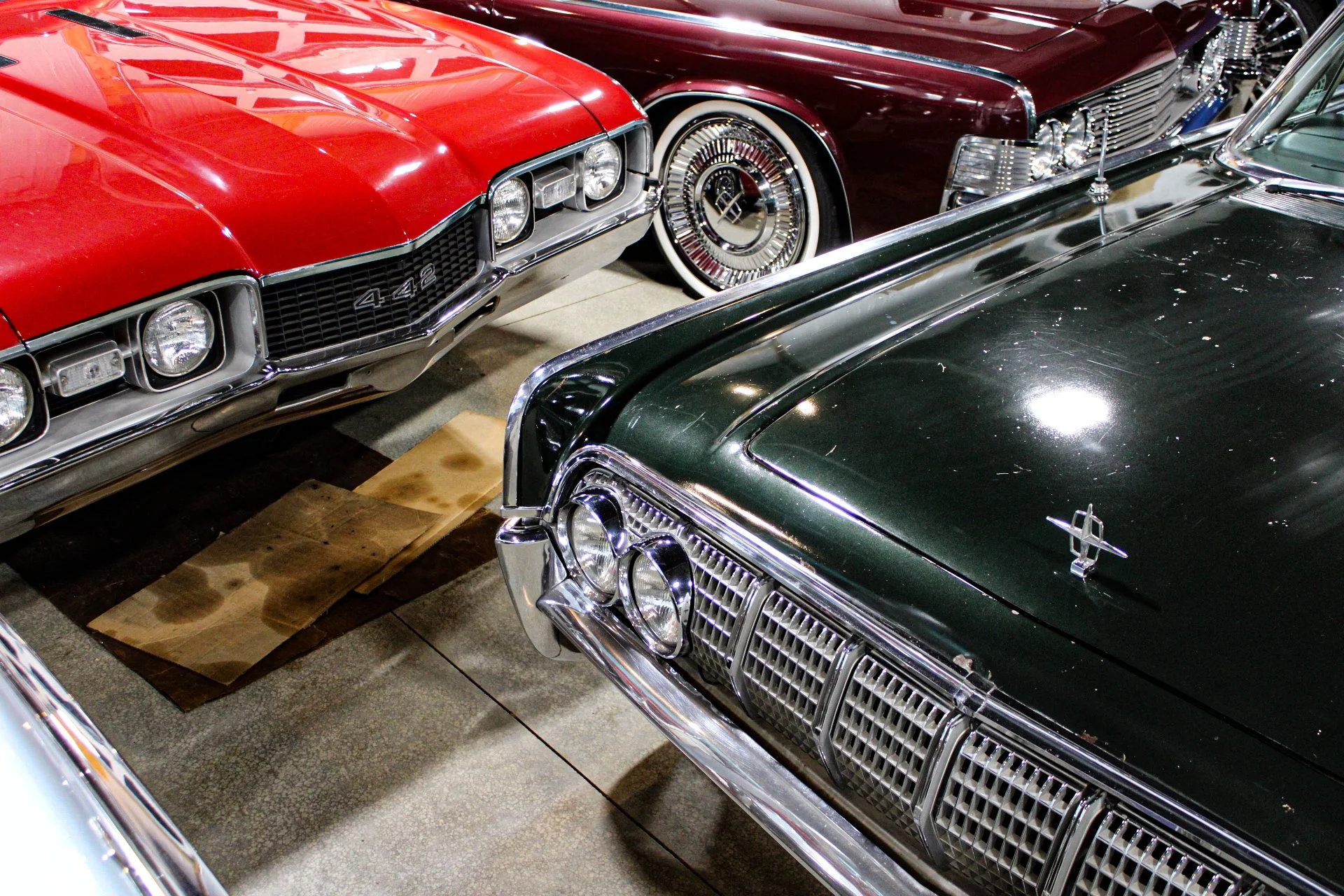
This is embodied in John’s personal Continental. Its chipped paint, mismatched details, and weathered surfaces make it approachable. People are invited to touch it, sit in it, experience it.It’s not preserved behind ropes or treated as fragile. It’s alive. Ironically, it’s often the imperfect cars that endure the longest in people’s minds. They carry not just craftsmanship, but humanity—layers of use, neglect, recovery, and joy.Because in the end, the value of a classic car isn’t just in how it looks. It’s in the stories it refuses to forget.
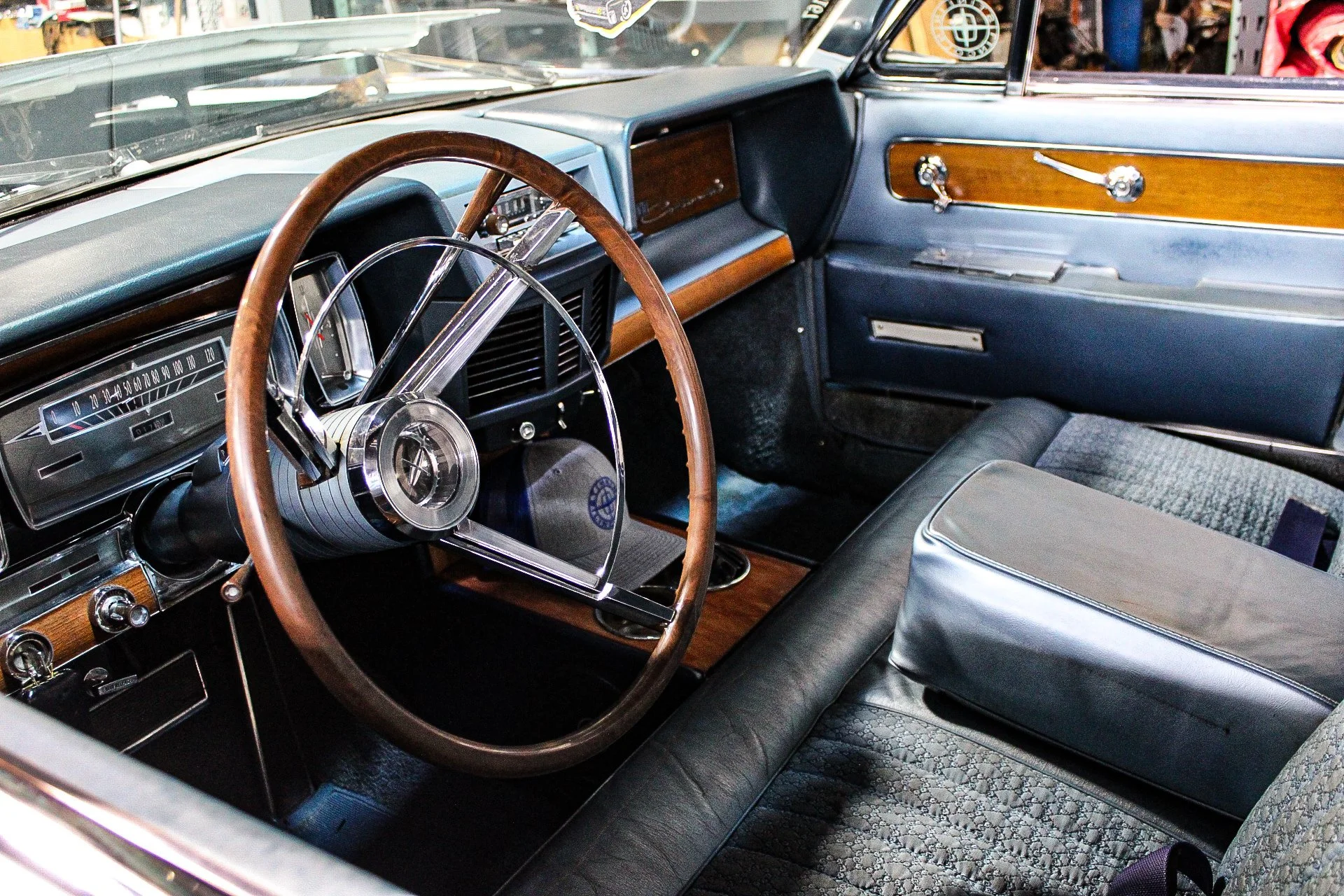
Despite these changes, authenticity still holds value—especially when it comes to original components. Many aftermarket parts fail to match the quality and fit of factory pieces, making “new old stock” items highly prized. Lyman himself holds onto rare parts whenever possible, knowing their importance for future restorations. Beyond the cars themselves, the Lincoln community has become a vital resource. Online groups and forums connect owners worldwide, offering technical advice, parts sourcing, and shared knowledge built over decades. These platforms function as living archives, where even decades-old problems—and their solutions—remain accessible.
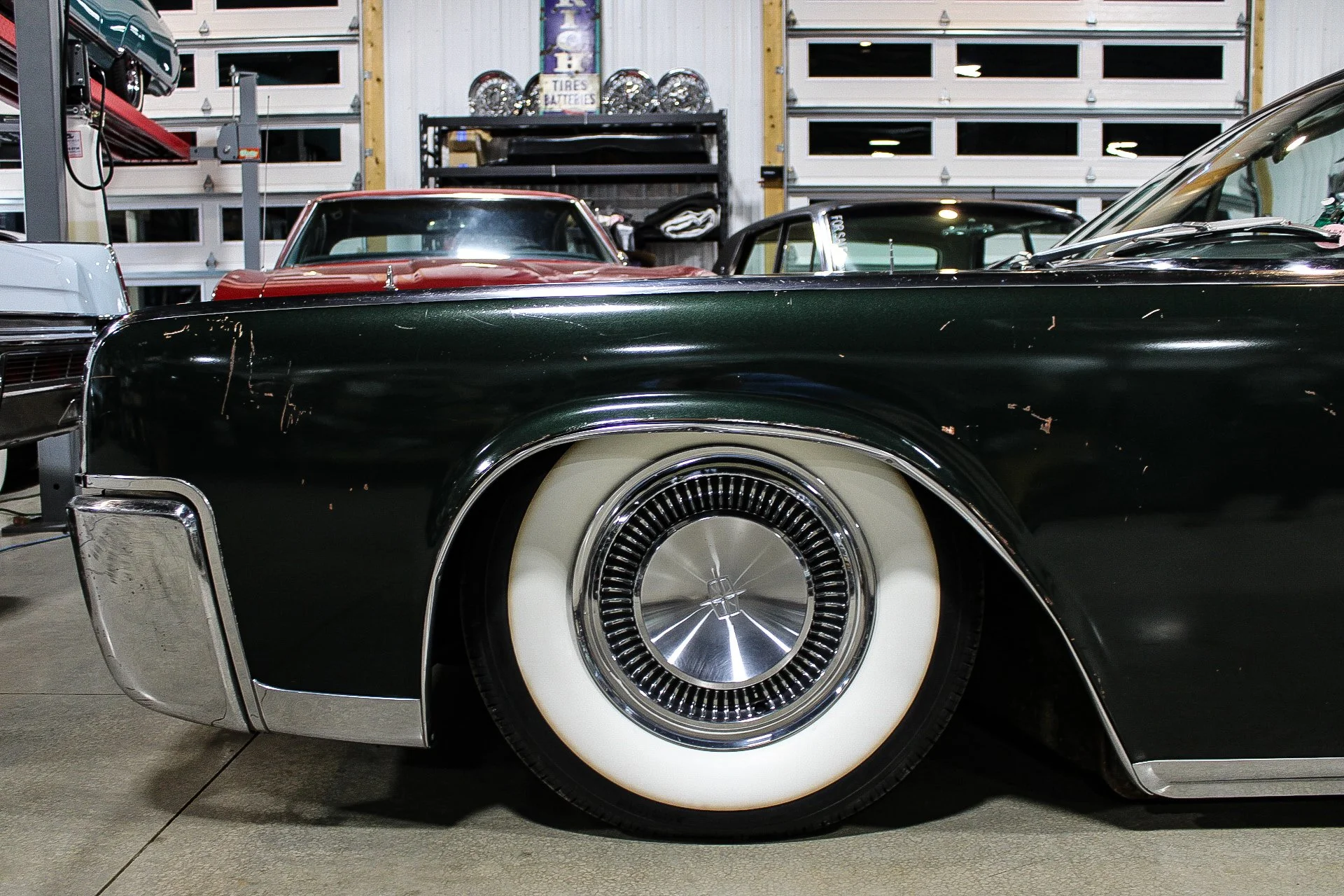
At its core, the appeal of these Lincolns goes beyond mechanics or market trends. They represent a unique blend of American luxury, engineering, and history—vehicles that were once the pinnacle of design and innovation. Driving one isn’t just about transportation; it’s about experiencing a piece of the past in motion.
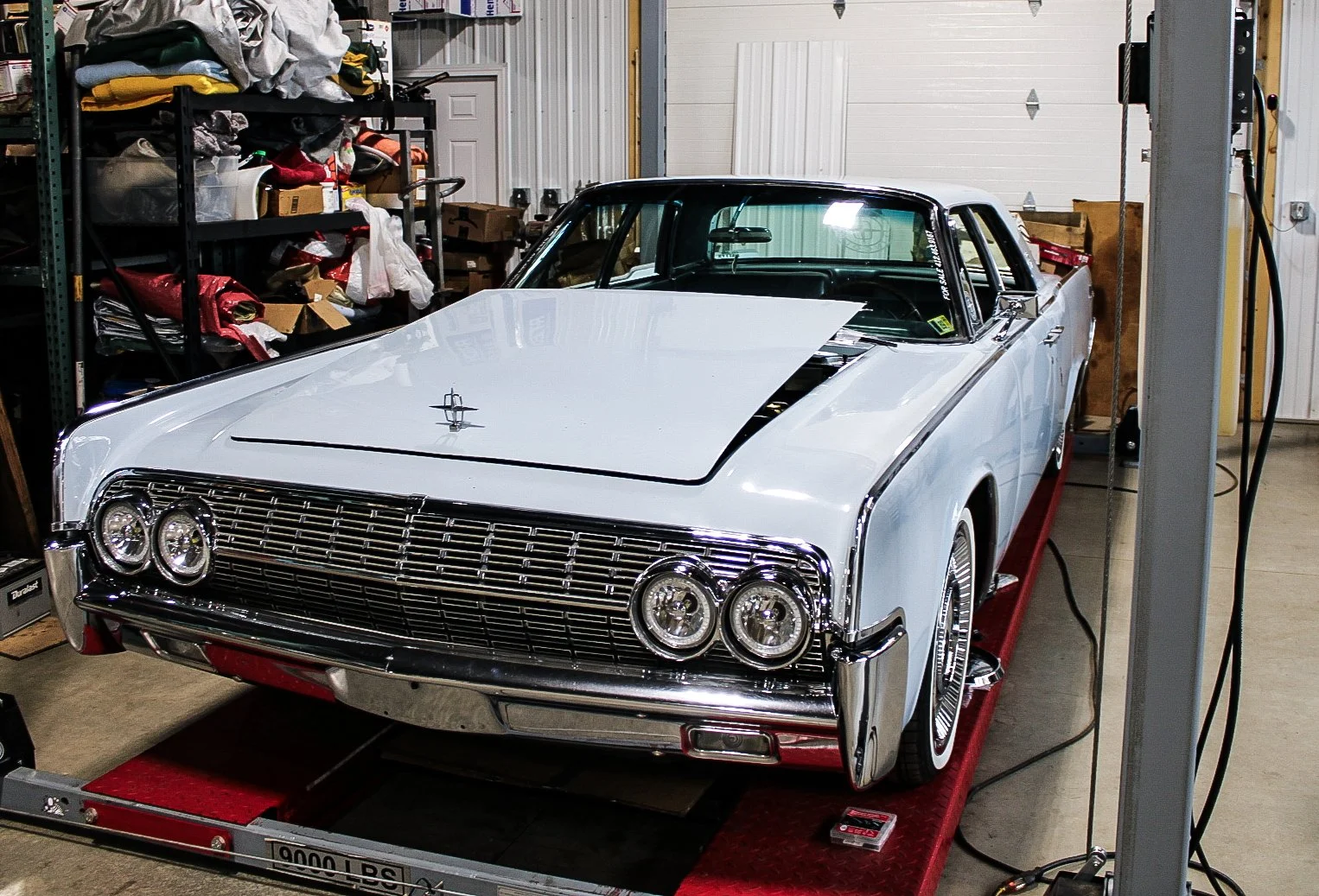
Despite the growth of the business and the increasing demand, the core of Lyman’s operation remains unchanged. It’s still driven by the same instinct that started it all: a desire to keep these cars on the road. In a space filled with steel, chrome, and decades of history, Stinkin Lincoln stands as both a parts warehouse and a preservation effort—ensuring that a uniquely American automotive legacy continues to run, one restored piece at a time.