Vintage Formula 5000 - Garett Craig - S6. Ep56
Listen Here!
Vintage Racing
On a humid July morning at Schenley Park, the Pittsburgh Vintage Grand Prix feels more like a neighborhood festival than a motorsport event. Families wander the hillsides with lemonade cups, children climb over hay bales, and the scent of fuel blends with kettle corn. Spectators drift between polished British roadsters and brass-era antiques. But tucked between the hillside trees and the makeshift paddock, the heartbeat of real racing still pulses. Engines crack like thunder through the valley, and their echoes pull unsuspecting people toward the fence line like moths. Garrett Craig was one of those unsuspecting people.
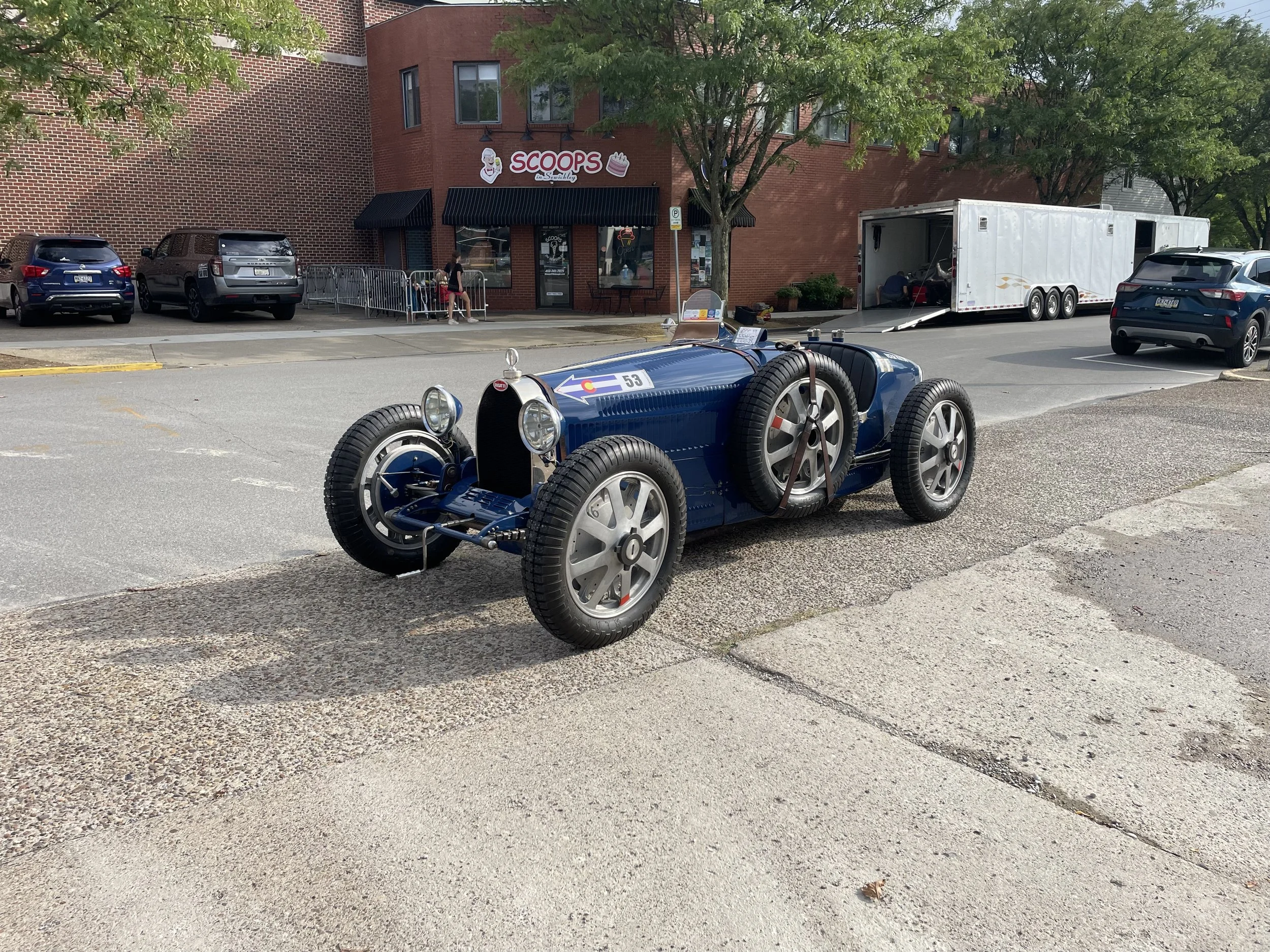
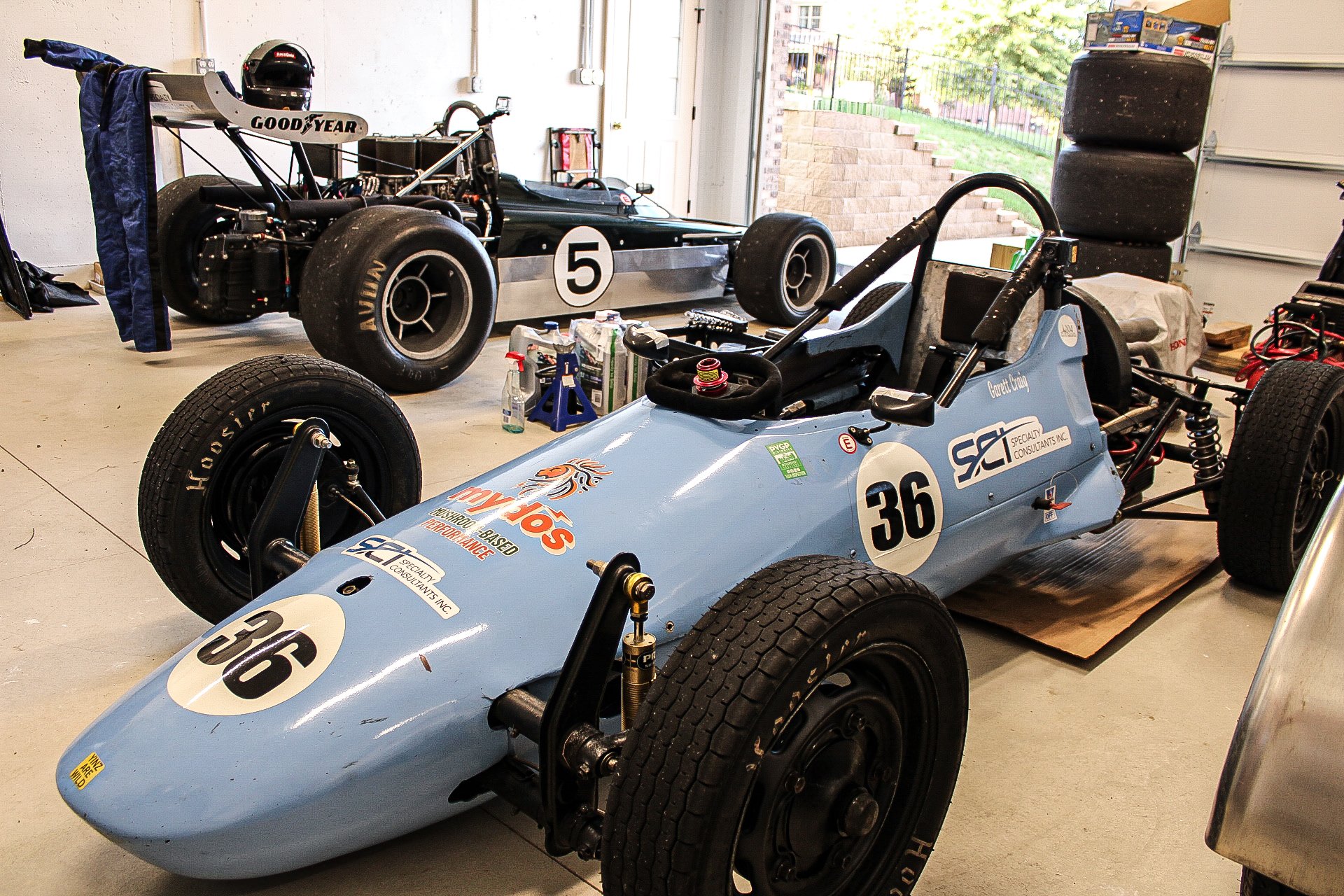
He hadn’t come for racing. He’d come because a friend had two free tickets and a promise of good food trucks. Racing, as far as he knew then, was a distant hobby—something other people did, something loud and difficult and far outside the orbit of his day-to-day life. Yet fate often works quietly. It doesn’t announce itself; it taps your shoulder and waits for you to turn. And that morning, it came disguised as a vintage racer waving him toward a narrow blue Formula Vee sitting alone near the paddock entrance. “Ever sit in one of these?” the car’s owner asked casually. Garrett hadn’t…he climbed in anyway.
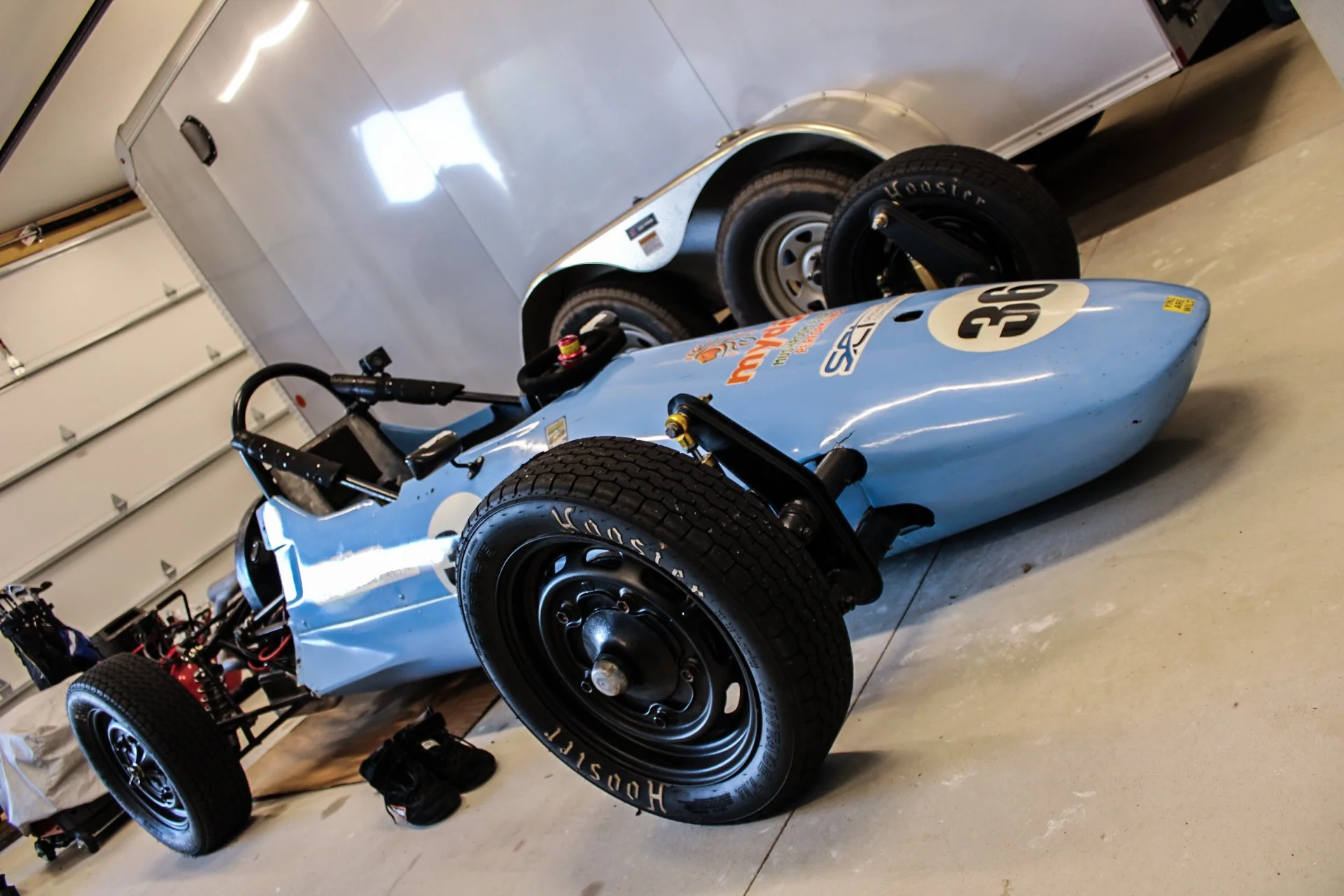
The cockpit swallowed him: a small steering wheel, aluminum tub, thin padding over old tubing. His shoulders wedged against the frame; his hips locked into place. Beyond the bodywork lay nothing but open air. He placed his hands on the wheel and felt the stillness—deceptively calm, like the surface tension atop a wave. In that quiet moment, he said the sentence that would reorder the next several years of his life: “I want one.”The owner laughed, thinking it was a joke however for Garett it wasn’t. What followed was not a simple purchase but a pilgrimage through the deep corners of vintage racing culture. Through mutual acquaintances, Garrett met Mike—a man who seemed to live in the intersection of mythology and machinery. Mike knew the lineage of almost every Formula Vee ever built. He also knew how to spot a lost soul who’d stumbled into the sport for the right reasons. When Garrett explained he wanted to learn, Mike didn’t hesitate.
The car they found was hardly a car at all—just a bare 1967 Autodynamics chassis, a skeleton of tubing that smelled of dust and forgotten seasons. Rebuilding it was both restoration and resurrection. Over months, Garrett learned the anatomy of the Vee: the nuance of the 1200cc Volkswagen flat-four, the stubborn humility of drum brakes, the importance of setting toe and camber within millimeters. He learned how to set up springs, how dampers should move, and how to strip a wiring harness until only the essential remained.
They painted the finished car a deep, dignified blue. Under the garage lights, it gleamed like a promise fulfilled. But the next lesson arrived quickly: Owning a race car does not mean knowing how to drive one. Garrett confessed to the grid marshal at his first event—Summit Point—that he had never driven a manual transmission. Ever. Not on the street. Not in a parking lot. Not even as a teenager learning to drive. The marshal stared at him with the expression of a man trying to determine whether he heard correctly. “You mean to tell me you’ve never used a clutch?” Garrett shrugged, honest and unashamed. “Day one. Tell me what to do.” Vintage racing is full of eccentrics, purists, mechanics, and engineers—but it is also a community that refuses to let a newcomer fail alone. Drivers coached him through heel-toe downshifts, volunteers pushed his car onto grid, and one instructor—seeing the nerves in his posture—stood beside him in the paddock for ten minutes explaining the zen of taking a corner.“Everything you do,” the instructor said, “you must do with intention. These cars speak. You just need to learn their language.” Garrett listened.
Garrett’s first wheel-to-wheel race took place in a downpour. Thunderheads rolled overhead. Visibility shrank. Drivers muttered curses under their breath as rain pooled in their mirrors. Garrett smiled. Rain strips the sport to its fundamentals. It punishes impatience and rewards finesse. In conditions that turned veterans cautious, he found clarity. The car slid, danced, snapped, and recovered. Each lap taught him something new about weight transfer, grip, and trust.He finished second. Someone shouted down pit lane, “You said you were new!” “I am new!” he yelled back, drenched and exhilarated. There are victories measured in trophies, and victories measured in transformation. This one was the latter. Not every chapter was triumphant. At Pitt Race, Garrett hit one of the lowest points of his racing life. A failing clutch forced the engine out of the car—twice in a single day. Each time he fixed it, the problem returned. Exhaustion settled over him like fog. He nearly quit. Then a fellow racer, Lauren, mentioned her flywheel. A single machining difference—minute but critical—was allowing oil to seep into his clutch, destroying it repeatedly. They swapped hers onto his car. The issue vanished. He finished the weekend battered but victorious in a way statistics cannot measure. The ordeal taught him that vintage racing isn’t just mechanical—it’s spiritual. Machines test resolve as much as skill, and the community exists to carry members through the darkest moments.
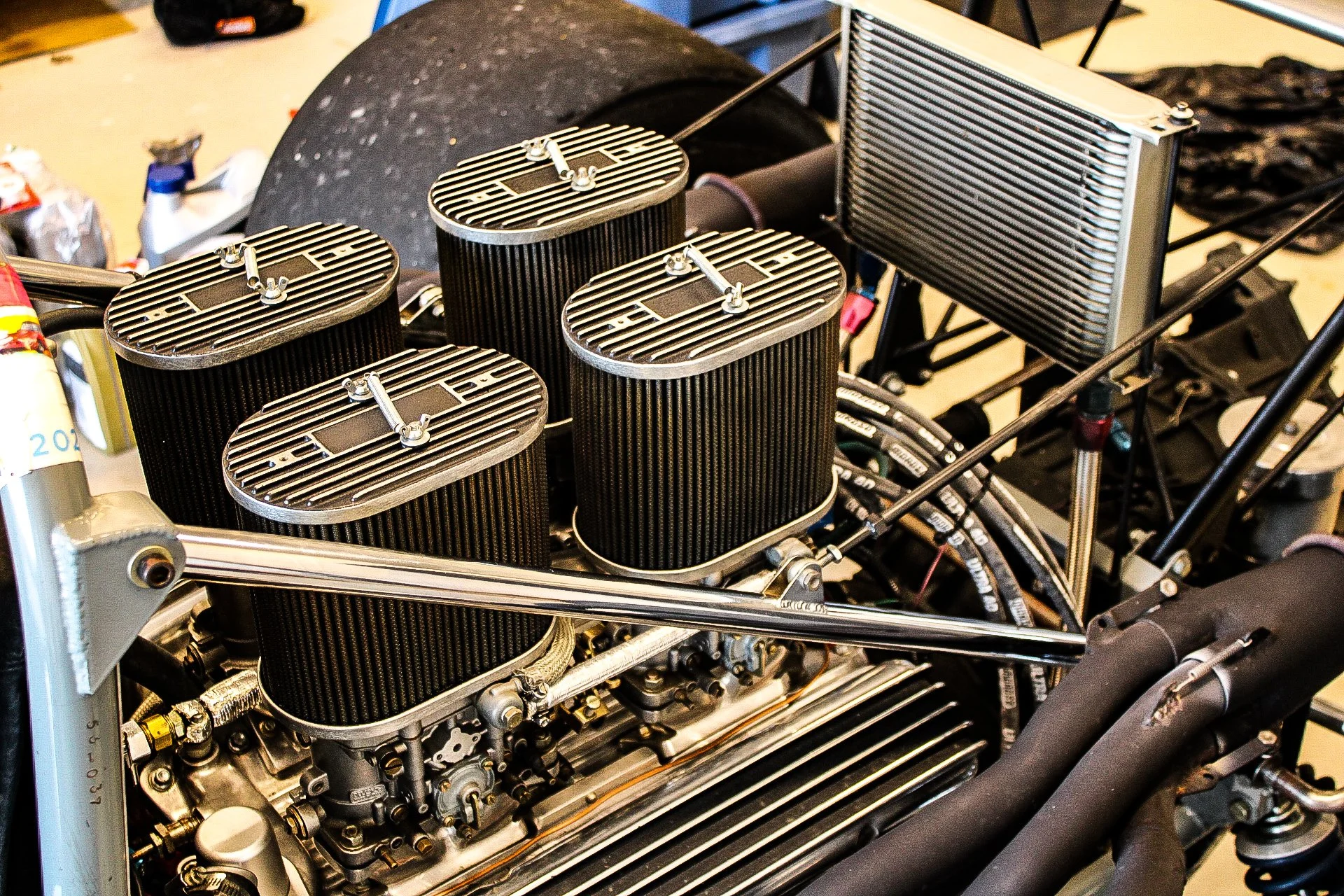
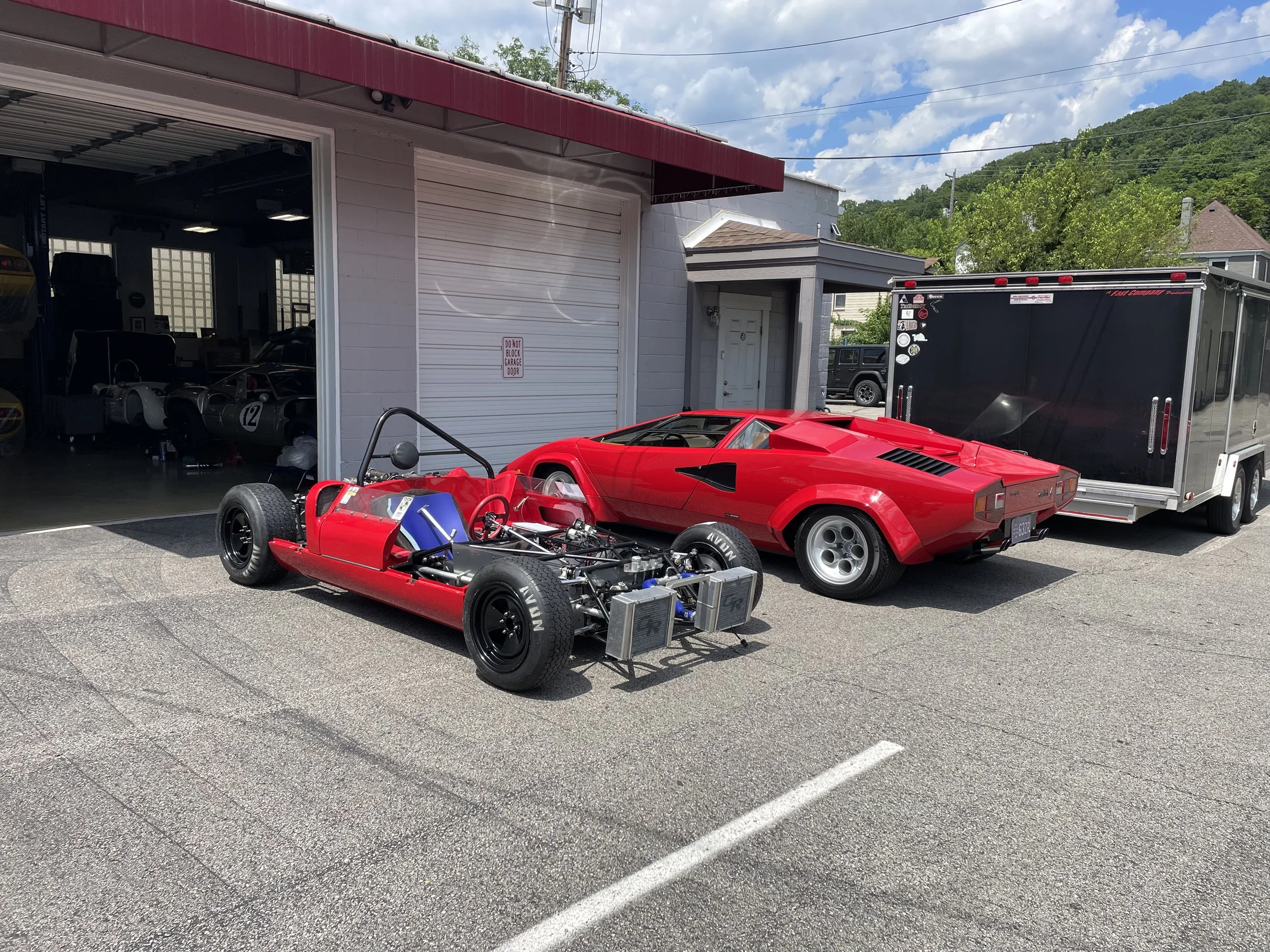
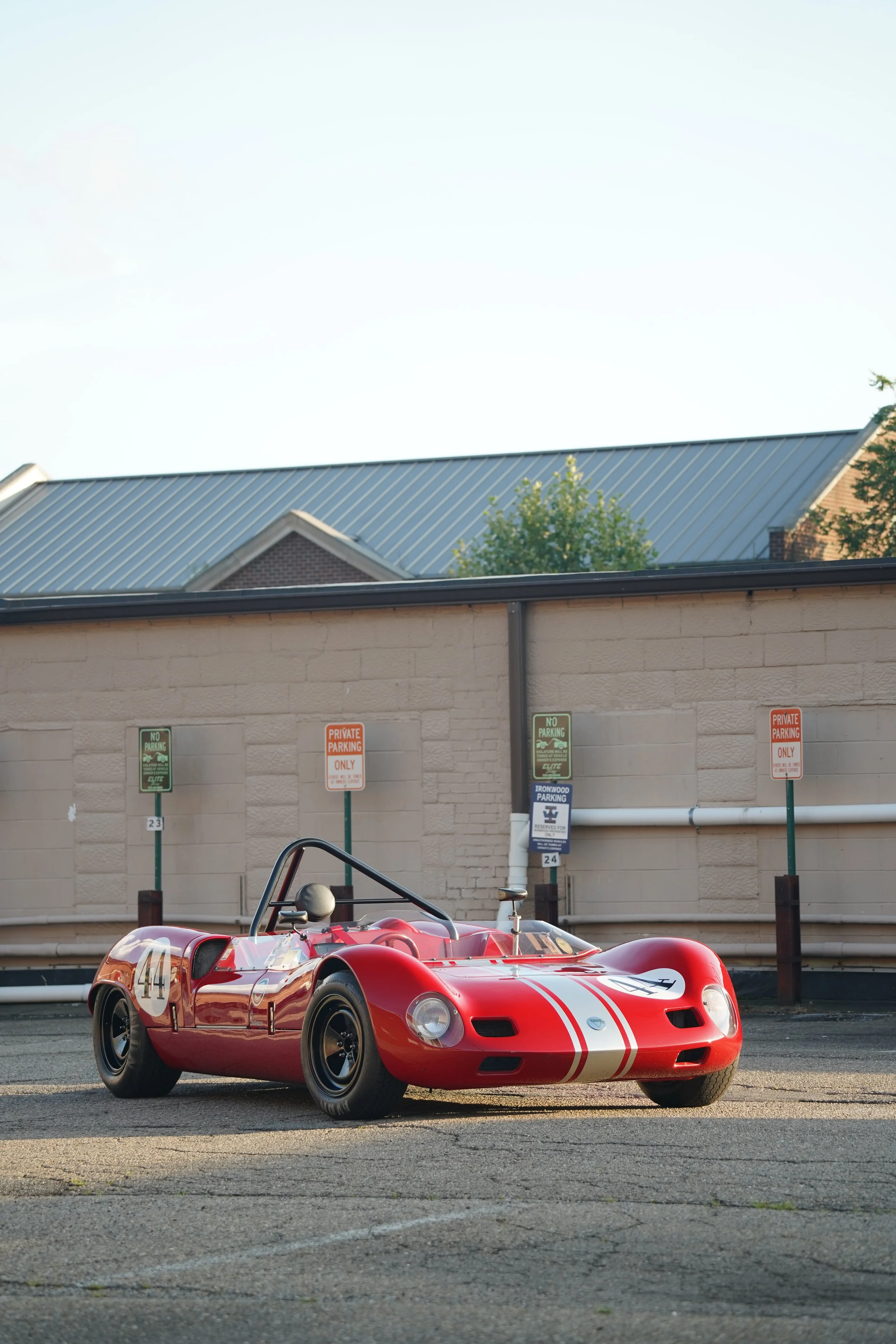
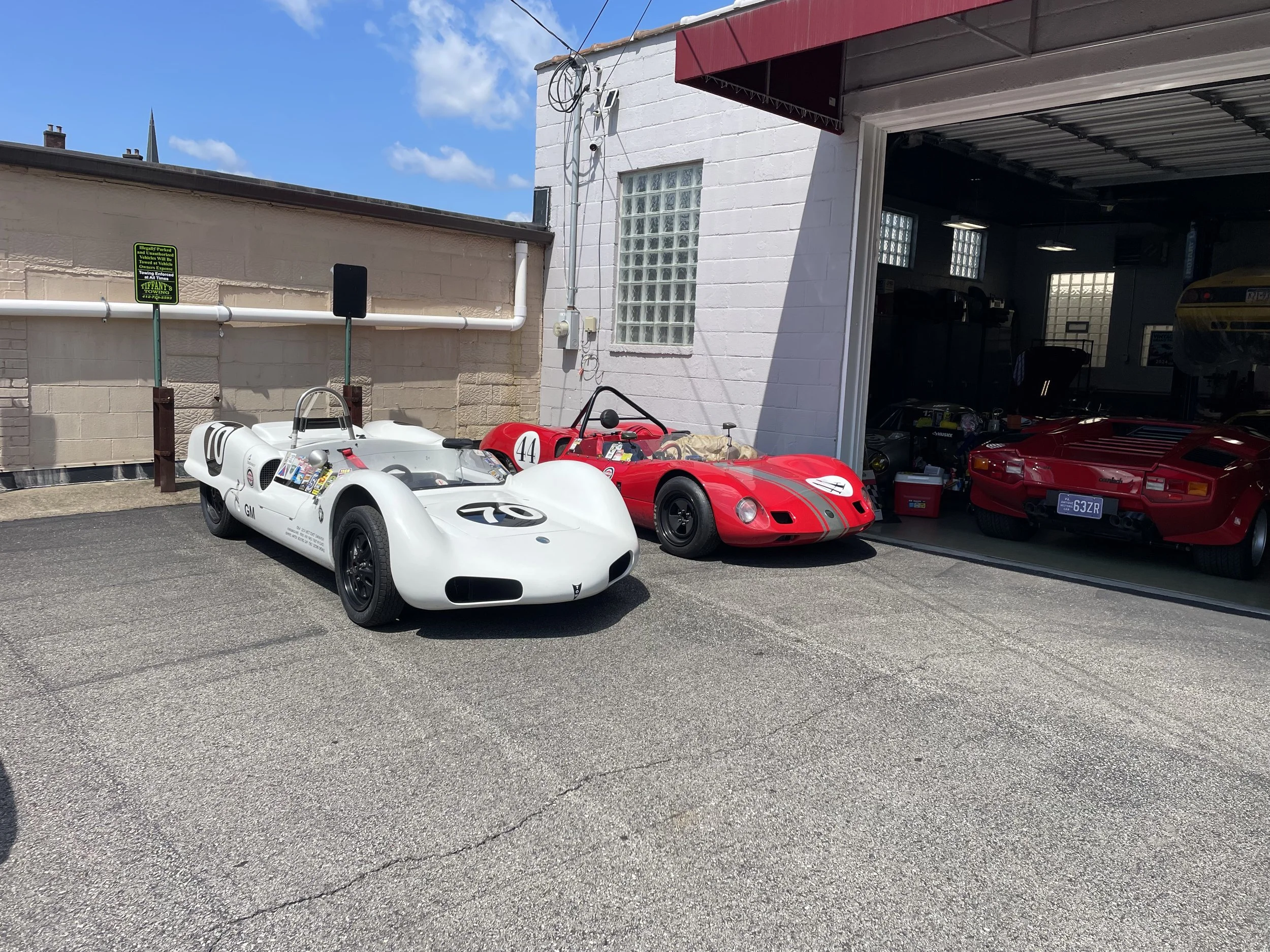
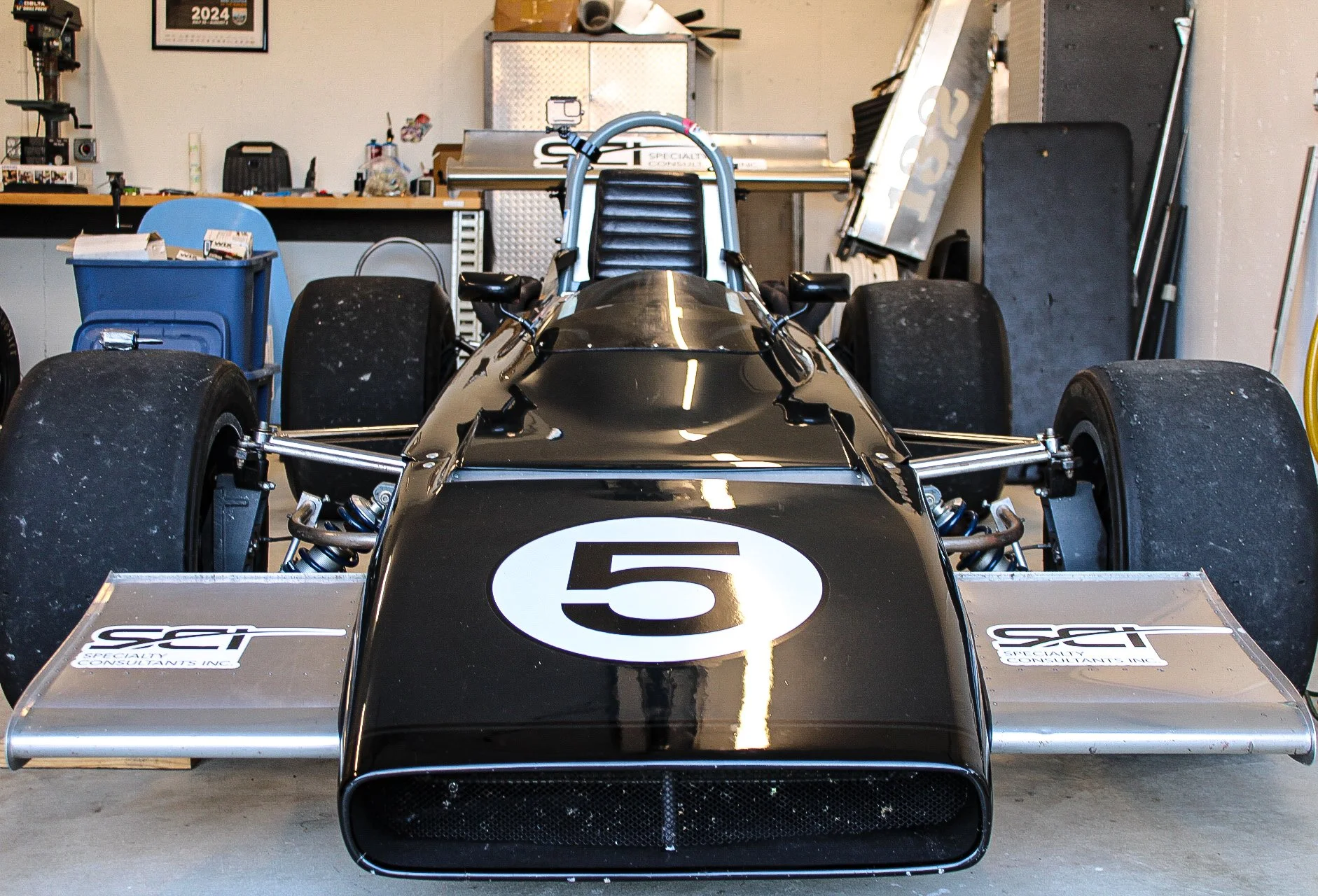
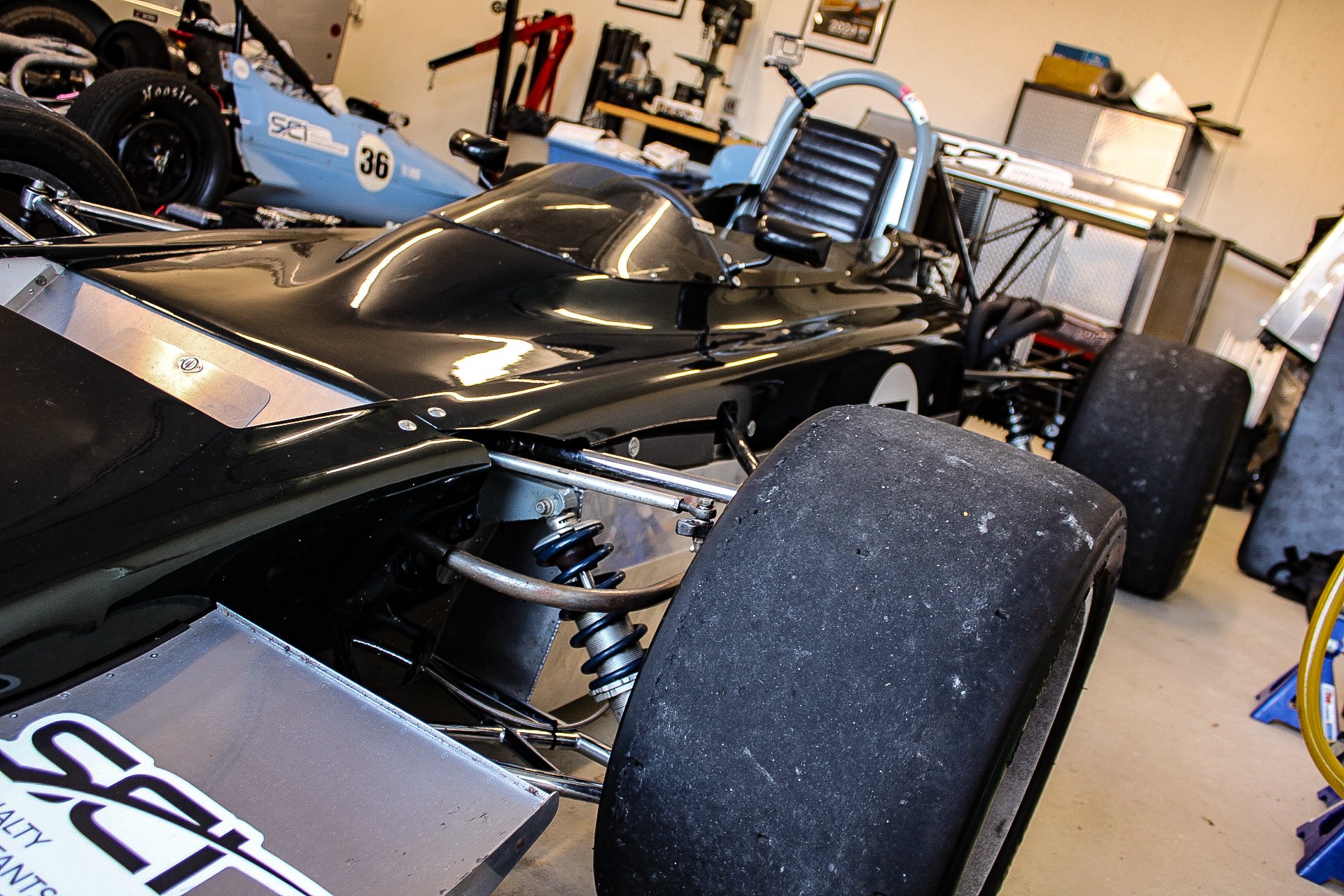
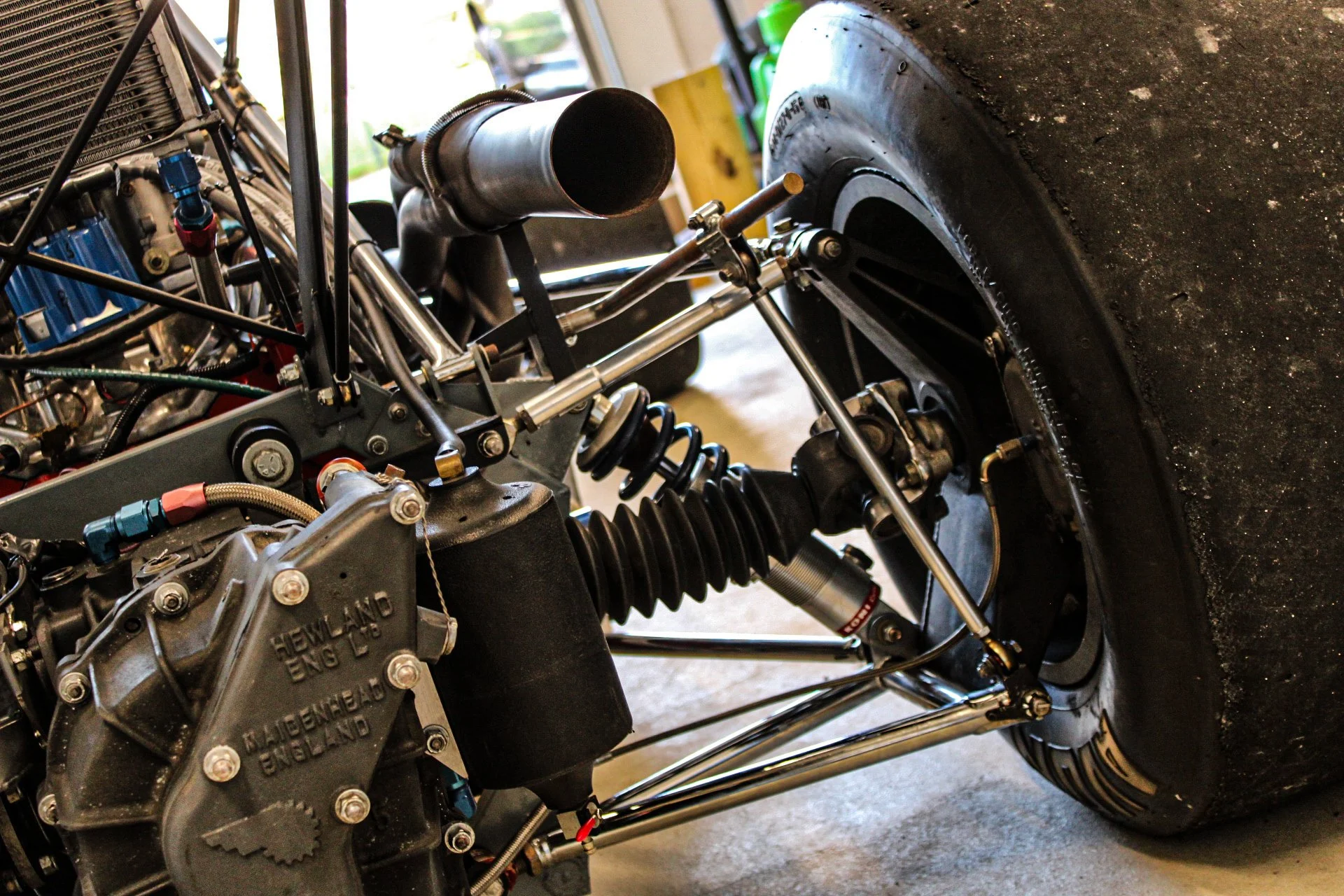
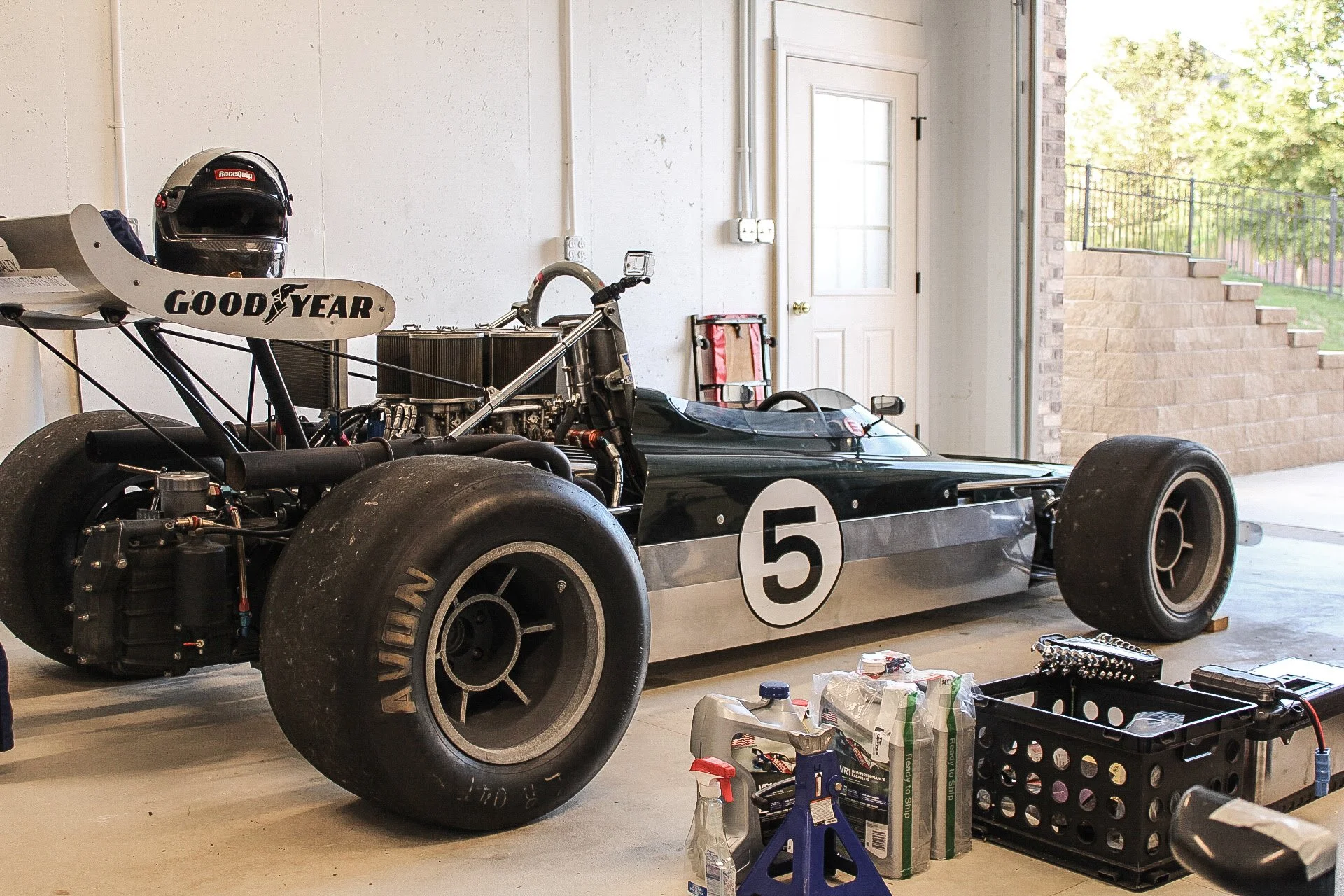
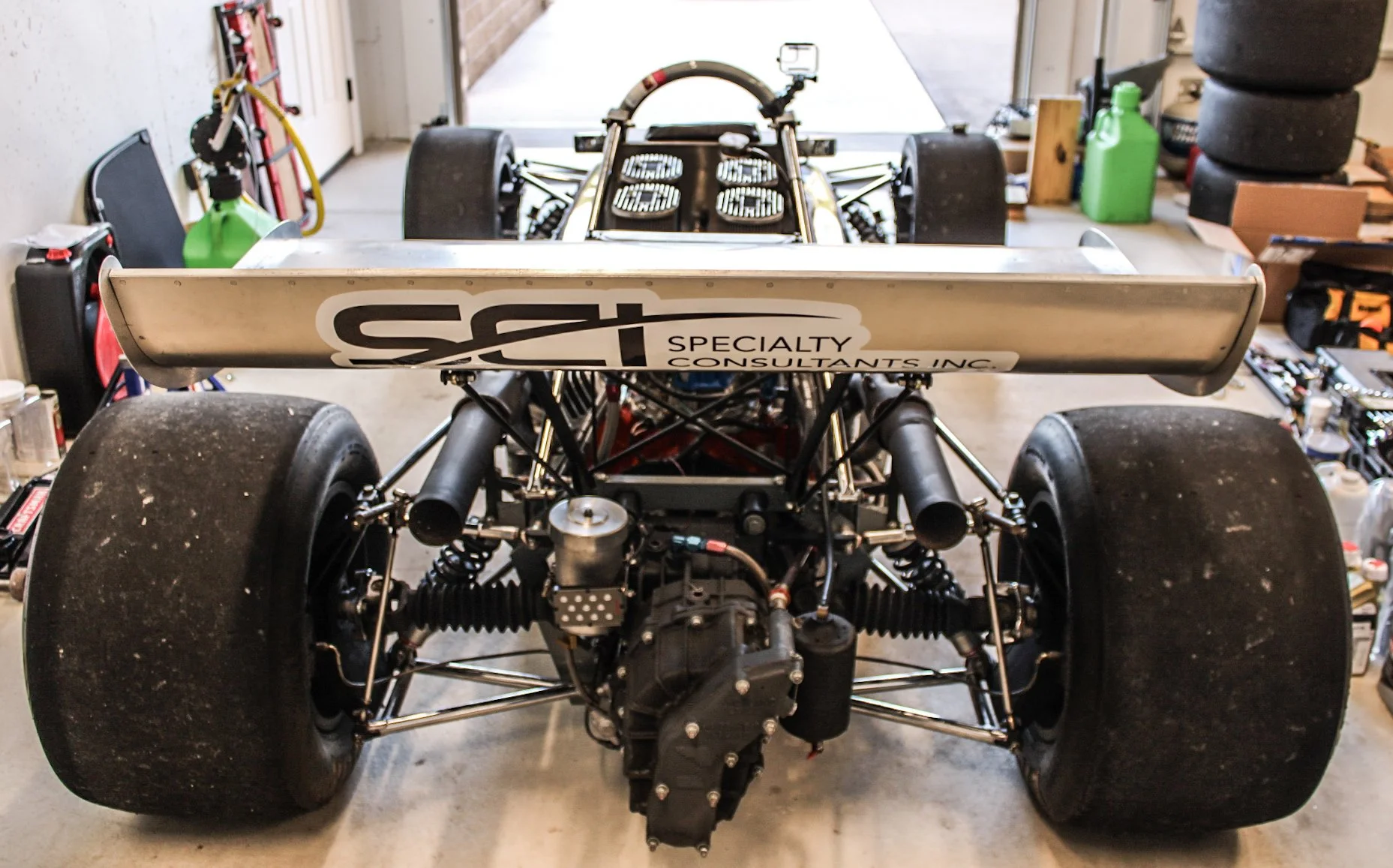
Years after that first outing in the Vee, Garrett found himself standing before something profoundly different: a 1969 LeGrand Mk11 Formula 5000. It was the opposite trajectory most drivers take. Instead of inching upward through incremental horsepower, he leaped from 55 horsepower to nearly 500. From a VW flat-four to a roaring American V8. From a friendly vintage racer to a machine that, in its prime, went toe-to-toe with Formula One. The LeGrand was almost impossibly narrow, tailored as if the chassis had been designed around him specifically. The dry-sump Chevy small-block sat inches behind his spine. The Hewland LG600 gearbox—massive, indestructible, overbuilt—could handle far more power than the car ever produced. It was a piece of motorsport history preserved not in a museum but in a garage, waiting for a new steward. Many people, upon seeing it, asked him the same question: “Aren’t you scared of wrecking something this rare?” Garrett always answered the same way. “I’m not here to beat anyone. I’m here to protect history. If someone wants the corner, they can have it.” To some, this sounded naive. To those who understood vintage racing’s soul, it sounded like reverence.
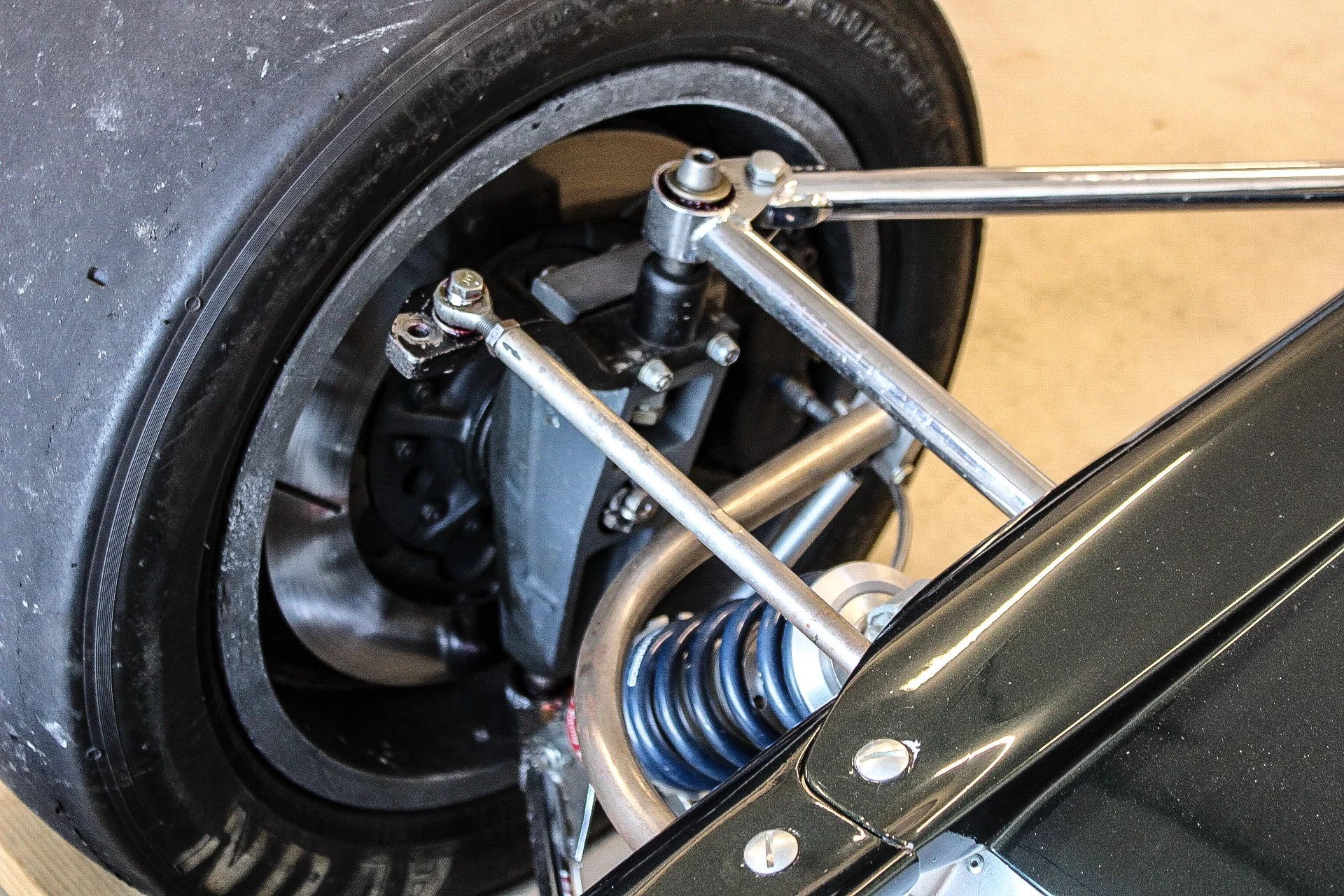
At Nelson Ledges, a track as demanding as it is historic, Garrett strapped into the LeGrand for the first time. The paddock workers saw the nerves in his posture. “First time at Nelson?” one asked. He nodded. He pulled out of the pits and accidentally drove onto the course the wrong way. Marshalls waved flags and laughed. They recognized the look of a newcomer not yet accustomed to the rituals of higher-speed racing. Rain ruined his first attempt, but when the storm broke and the pavement began to steam, Garrett strapped in again. The V8 barked awake with a deafening resonance. When he stabbed the throttle, the world snapped backward. His helmet lurched. His vision blurred. His neck strained against the acceleration.
And in the middle of the insanity, Garrett burst out laughing inside the helmet “Kachow!” People in the paddock said later that they knew exactly when he was on track—not from seeing him, but from hearing that unmistakable, joyful throttle.
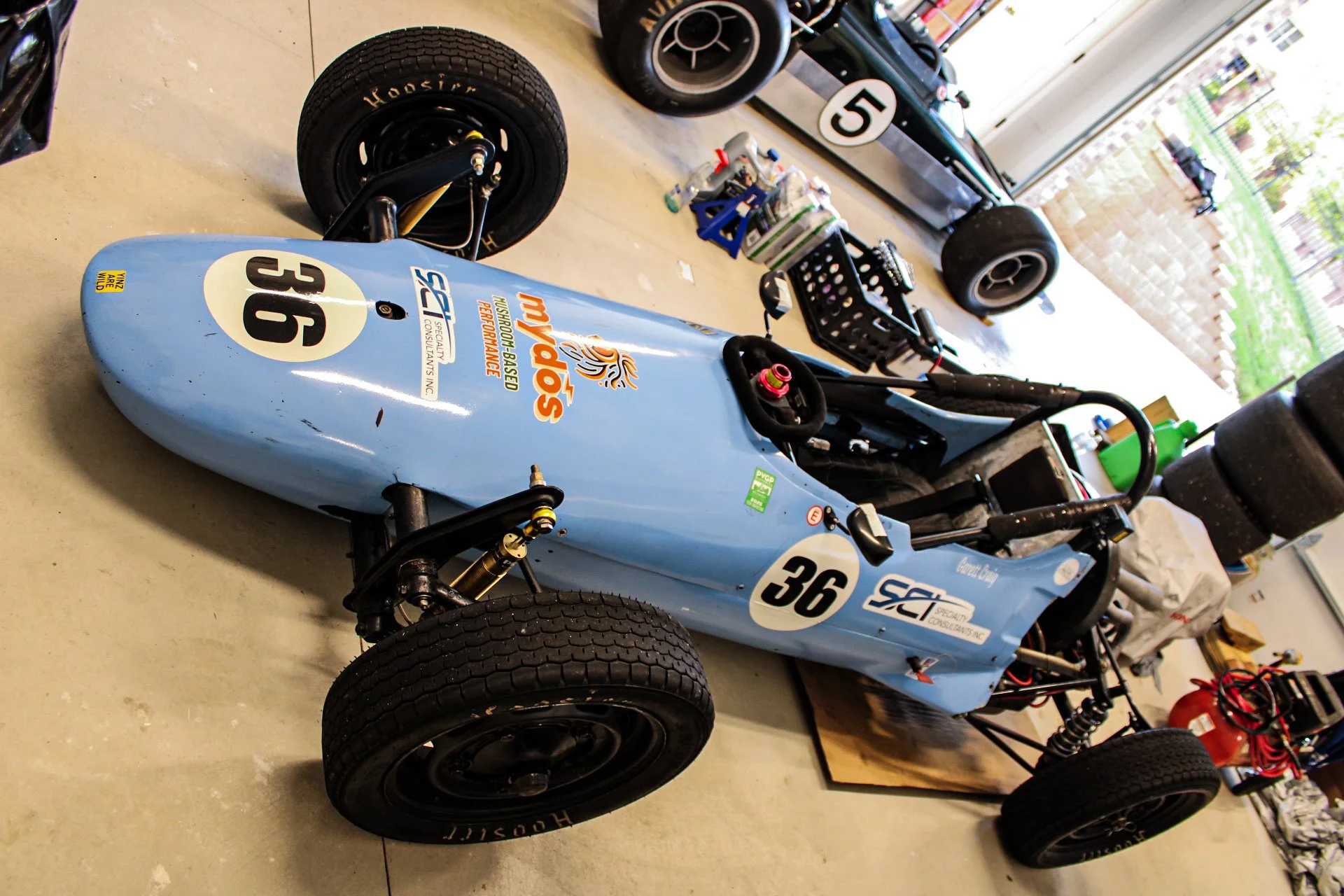
Today, the LeGrand sits at the center of his garage like a sacred artifact. The space around it is clean—shelves of labeled equipment, a meticulously organized tool chest, and a heating pad used to warm the engine oil before every session. His pre-race checklist spans forty-six items. He moves through it with ritual precision. To most people, it looks like work. To Garrett, it is meditation. His girlfriend sits nearby on the massive racing slicks, watching him with the patient affection of someone who understands that passion is its own language. She doesn’t interrupt. She doesn’t rush him. She simply shares the space, smiling at the way he inspects every washer and bolt. “You really love this,” she says. “I do,” he replies. In the corner sits the original LeGrand chassis—weathered, authentic, storied. Garrett dreams of restoring it someday, not to race competitively, but simply to experience what the car felt like at birth. History, to him, isn’t a museum piece. It’s something you sit in, listen to, and keep alive with your own hands.
Racing transforms people. It sharpens them, challenges them, humbles them. But for Garrett, it did something more—it gave him community, purpose, and identity. He isn’t chasing championships. He isn’t chasing glory. He is chasing moments. A rain-soaked podium. The laughter inside a helmet at full throttle. Strangers becoming family in a paddock. The quiet satisfaction of turning a wrench late at night. In a world obsessed with lap times and trophies, Garrett represents something different—a reminder of why people fell in love with motorsport in the first place. Not for the speed, but for the stories. Not for the danger, but for the shared humanity inside it. He is not just a racer. He is a custodian of history. A steward of machines. A believer in the soul of speed. And somewhere in a garage, a 500-horsepower time machine waits for him to turn the key again.
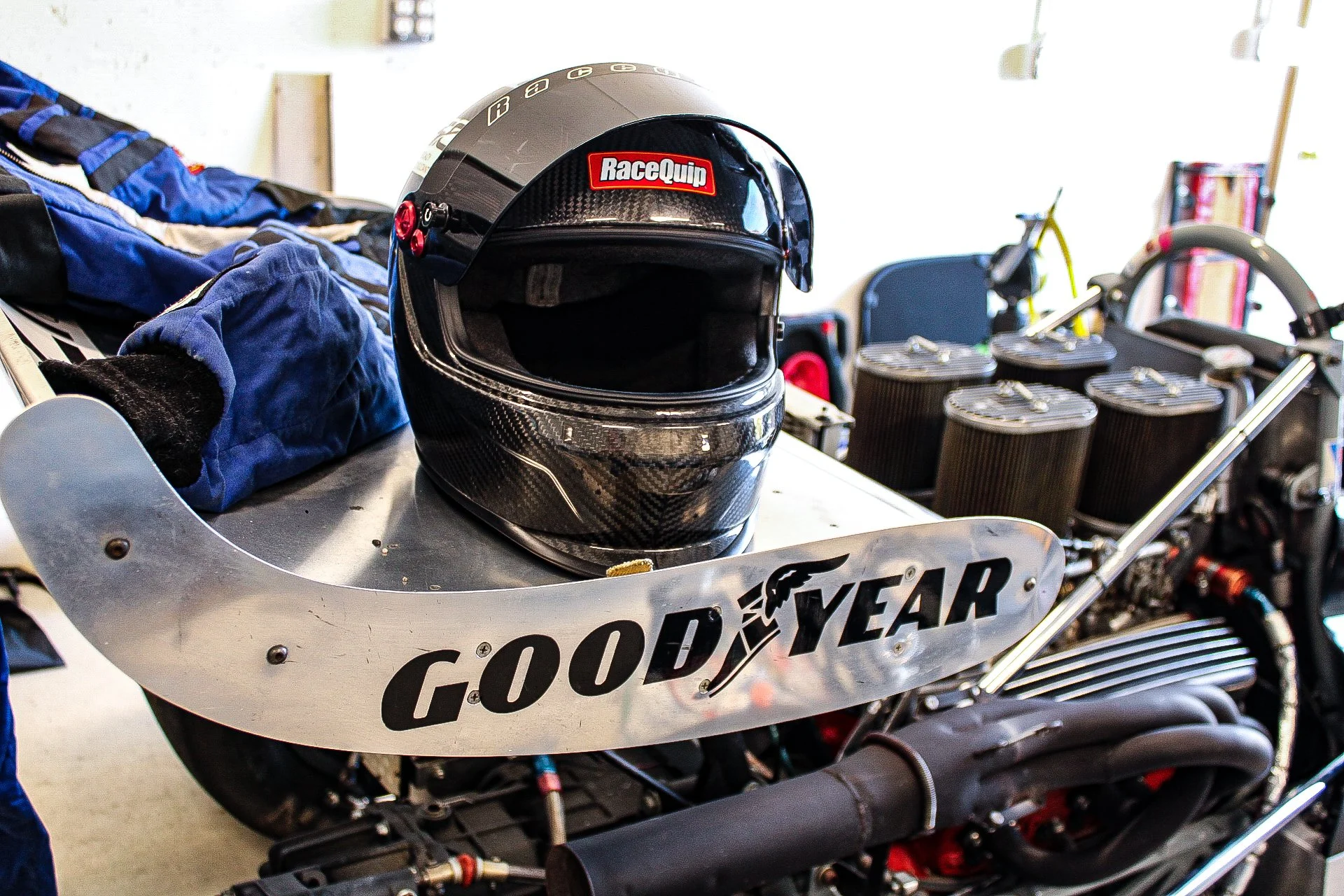
In an era where winning is everything, Garett stands apart: a self-taught driver, wrench, and restorer of these vintage racing pieces. Looking forward to the 2026 campaign of the car he is looking for sponsorships via his website gcformularacing.com where you can find info on how to help him. You can find him at many of the vintage racing events or the way I found him, showing up to car shows in the Formula 5000!